

A hairdresser is more than just a professional who cuts and styles hair; they help you feel confident, look stylish, and create a unique image. It’s no wonder that hairdressing is often considered an art form. True experts master modern techniques and styles, and their services are highly valued. Read more on birminghamka.
Today, in Birmingham, the UK’s second-largest city, hairdressers are in high demand. Nearly every local has their go-to stylist, with appointments firmly marked in their calendars. But what many don’t realise is that hairdressing in this region has a long and fascinating history, and stylists here weren’t always the virtuosos they are today. Let’s take a closer look.
How Did It All Begin?
It is known that even prehistoric people cut their hair. Each tribe had its own distinct style, and haircuts were usually performed by chiefs or priests. This practice was not for aesthetic reasons but was rooted in superstition. Ancient people believed in a connection between humans and spirits and were deeply afraid of the influence of evil spirits.
Healers were convinced that an evil spirit could enter a person’s body through their hair. For this reason, cutting men’s hair was compulsory. In some tribes, however, hair was not cut but was tied up tightly to prevent spirits from getting through.
In Ancient Egypt, Greece, and other advanced civilisations of the past, the services of hairdressers were used by high-status individuals, particularly rulers. They favoured complex hairstyles, believing that the more elaborate and voluminous the hairdo, the more luxurious it appeared. Common people of that era had little time for the art of hairdressing. They cut their own hair, primarily for comfort.
The First Barber-Surgeons in Birmingham
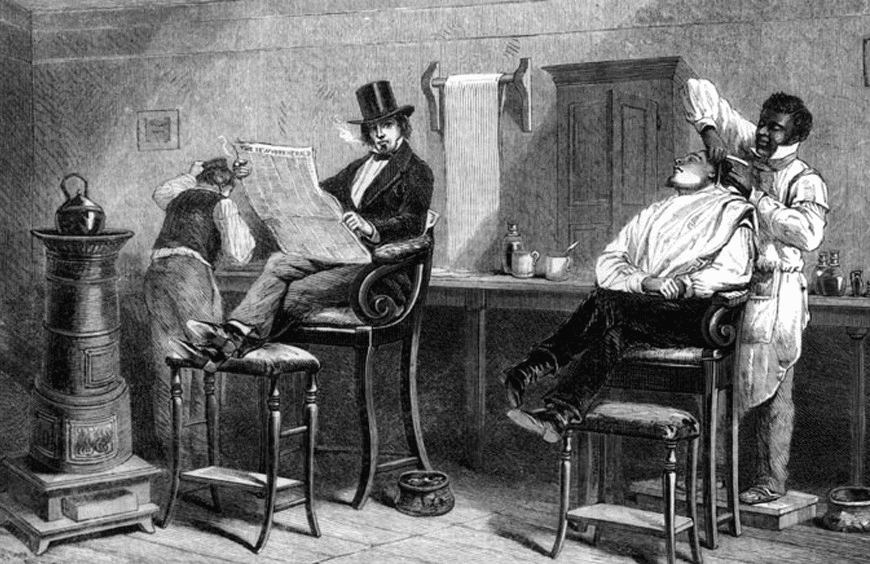
The first hairdressers in Birmingham, then known as barber-surgeons, appeared during the Middle Ages. Their services were available to most local residents. However, these barber-surgeons did more than just cut and style hair. They were also surgeons, performing various procedures and operations.
Barber-surgeons often extracted teeth and removed cysts. Another popular procedure at the time was bloodletting. Patients’ veins were cut, and blood was drained until they fainted. It was believed that the “bad” blood flowed out, taking all harmful substances from the body with it.
Over time, society began to oppose the practices of barber-surgeons. The procedure of bloodletting was deemed questionable and was eventually banned. In the early 14th century, the Worshipful Company of Barbers was established in Great Britain. In the 15th century, a law was passed that forbade surgeons from barbering and barbers from performing surgery. They were only occasionally permitted to extract teeth. It wasn’t until the 18th century that surgeons left the Worshipful Company of Barbers to focus solely on medicine. This marked the beginning of a new era in the art of hairdressing. Today, few remember that hairdressing and surgery in Birmingham were once one and the same profession.
Hairdressing in the 19th and 20th Centuries
By the end of the 18th century, interest in fashion and style had grown in Birmingham. However, at that time, hairdressing duties were often delegated to servants. In the 19th century, the profession of a hairdresser became increasingly popular. This was partly driven by the arrival of migrants from Italy, Sweden, and other countries. Around the same time, the world’s first hairdryer was invented, followed by other tools that are still in use today.
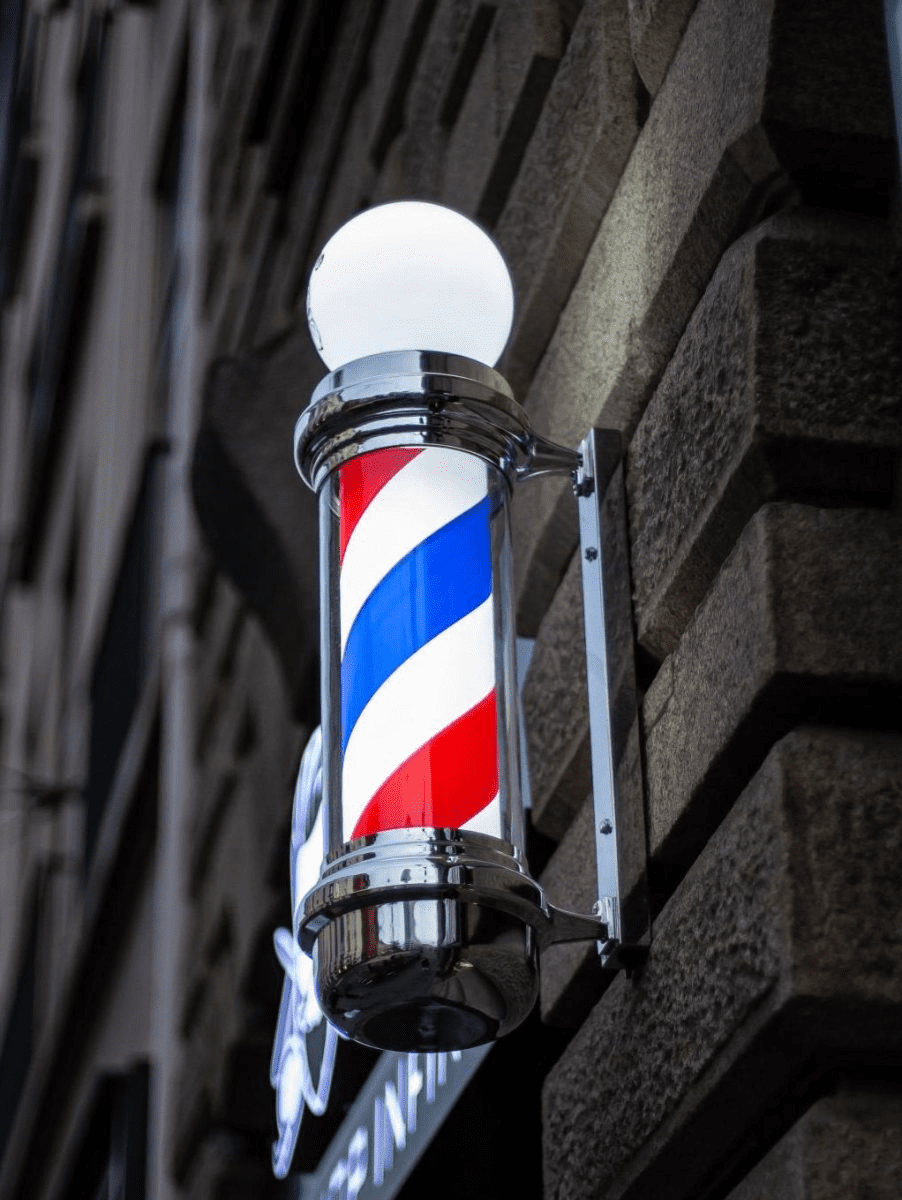
By the late 19th century, dozens of barbershops for men had opened in Birmingham. They were furnished very simply: a chair with a straight back and a headrest, a basin of water, a few towels, a bar of soap, and a brush. The most popular services were haircuts and shaves.
Women’s hairdressers were more than just places for a cut and style. They were treated as social hubs, spaces where women could exchange news and make new friends. The range of services for women by the late 19th century was already quite extensive. The women of Birmingham could book appointments for cuts, styling, colouring (with various types of dyes), perms, and much more. In the 20th century, most hairdressers in the city expanded. In a single establishment, you could get your hair, makeup, and nails done. This is how the city’s first beauty salons came to be.
The First Barbershops
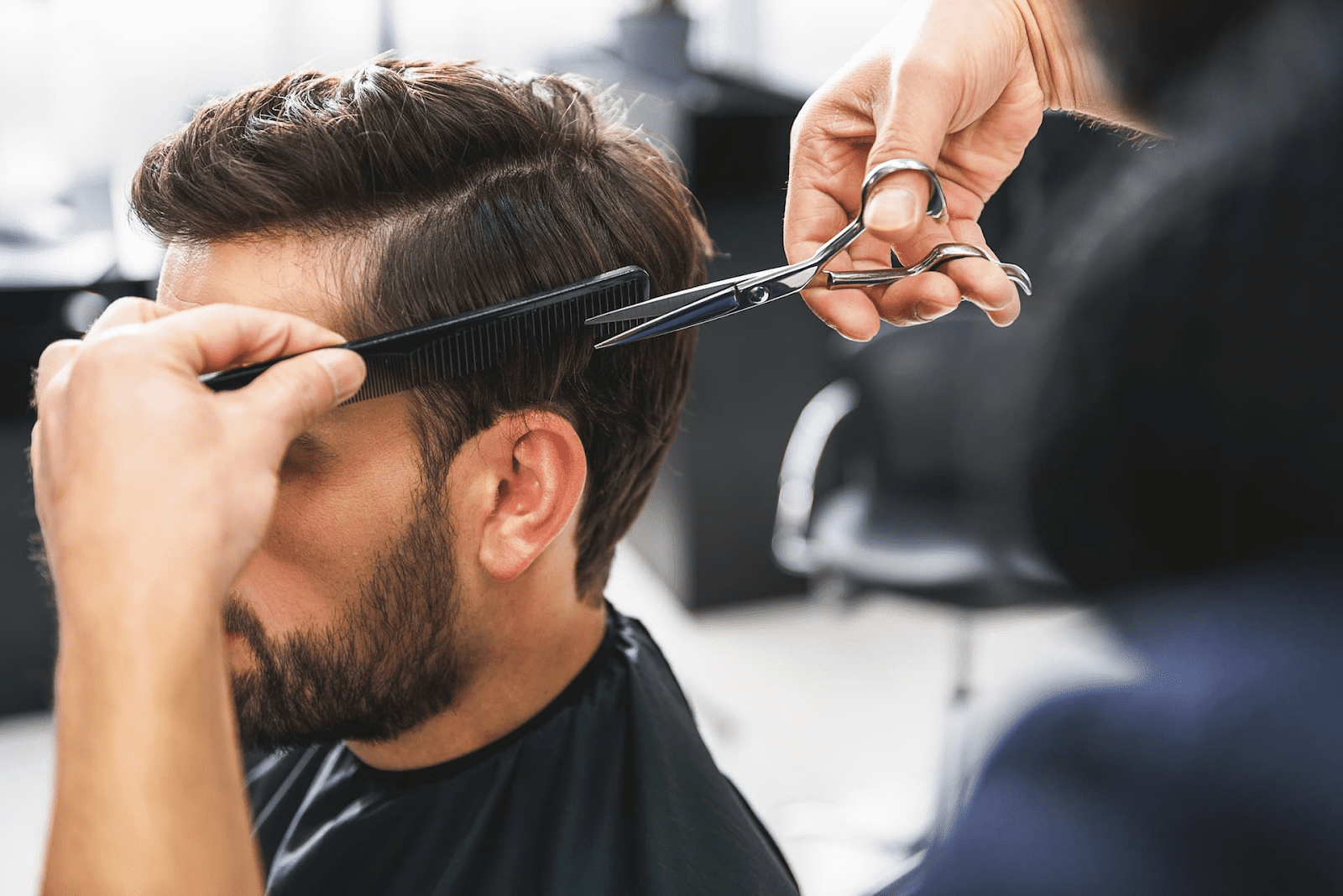
Barbershops for men went through fluctuating periods of popularity, from having long queues to being almost empty. This was linked to civil wars and other military conflicts that involved the entire male population. The focus of Birmingham’s men shifted. Men grew out their beards and concentrated on their military duties. Also, for a time in the 18th and 19th centuries, wigs were in fashion, and men stopped visiting barbershops altogether.
The revival of men’s barbershops in Great Britain is thought to have occurred in the 1970s. After the Second World War, longer hairstyles became fashionable. Hairdressers who wanted to stay in business had to undergo new training.
In the 1970s, new barbershops began to open across Birmingham. Unlike traditional hairdressers, these new-style establishments offered more than just haircuts and hair care. They became gentlemen’s clubs, offering alcohol, cigars, conversation, and a space for shared interests. By the end of the 20th century, the women of Birmingham were visiting beauty salons, while the men were eagerly booking appointments at barbershops. And the level of service and range of treatments available for both women and men continues to expand to this day.
Hairdressing Today
In the 21st century, hairdressers, beauty salons, and barbershops can be found in every district of the city. Here are just a few examples of the most popular establishments in Birmingham:
- “Urban Roots”. This unisex hair salon is located in the city centre. It boasts master stylists and experts specialising in various fields. Here, you can get professional colouring, styling, cuts, and much more, all using high-quality products and equipment.
- “Medivine”. A popular salon with a high rating among Brummies, it has garnered hundreds of positive reviews. Its stylists do more than just provide hair care services; they help clients create on-trend looks and find their individual style. Women who are ready for a major life change often turn to “Medivine”.
- “The Barber House”. A popular city barbershop founded in 1995, which has received thousands of positive reviews from clients. Locals and tourists alike choose this establishment for its unique atmosphere and the professionalism of its barbers. Visitors praise the friendliness of the receptionists and the entire staff, as well as the music that makes a visit even more enjoyable.
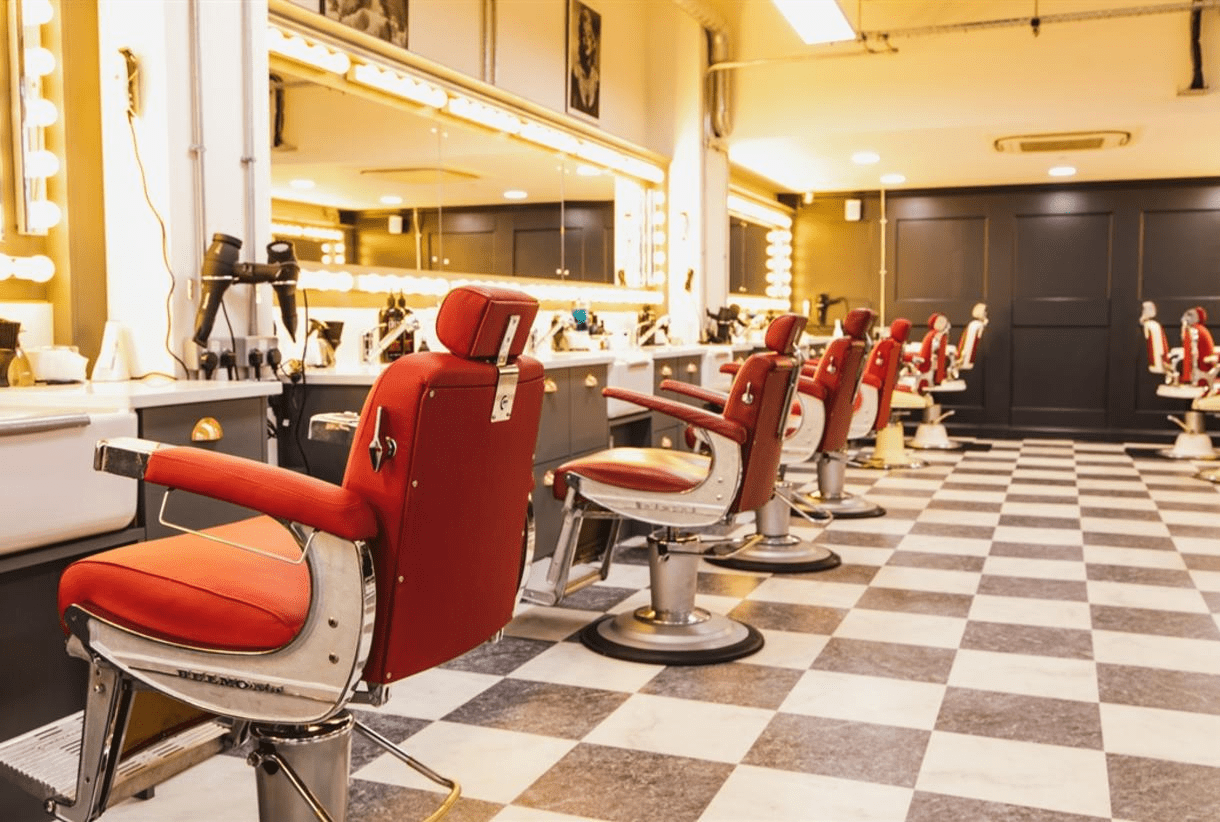
- “Volt Barbershop”. Another popular barbershop offering cutting-edge hair and beard care services. The barbers can also recommend grooming products and cosmetics tailored to a client’s specific skin type and needs. “Volt Barbershop” also features its own bar, a shop, and a unique atmosphere.