

Birmingham is a vibrant, multicultural city. Many see it as the ideal spot for studying and living, often comparing it favourably to other major cities across the UK. Today, Birmingham is well-known for its youthful population, attracting students from other cities and countries alike. A significant number choose to stay on after graduation, thanks to the myriad of job opportunities offered by the city’s thousands of businesses. This modern-day appeal is built on a legacy: Birmingham began drawing in students from around the globe as far back as the last century. So, why did so many young people choose this city? And what was life like for students in the 20th century? Find out more on birminghamka.
The History of the ‘Student City’
Birmingham is home to five universities, alongside various other highly-regarded educational institutions. Historians believe the city’s rise as the “student capital of the UK” began in the early 20th century. The University of Birmingham was founded in 1900, boasting a first-rate standard of education right from the start. Students from across Britain flocked to it, and many of its graduates went on to become successful academics and leaders in various scientific fields.
The city’s educational scene developed at pace. Even during the First World War, most of the city’s institutions continued to operate as normal. Graduates from the University of Birmingham and other colleges made a substantial contribution to the growth of various industries.
Seeing this success, local authorities actively supported the work of these educational establishments. Throughout the 20th century, dozens of programmes were launched to entice young people from abroad to study there. The most talented students could secure scholarships, making a Birmingham education widely accessible. Crucially, the city’s businesses were keen to hire these graduates, confident in the quality of their academic training.
What Made Birmingham a Student Magnet?
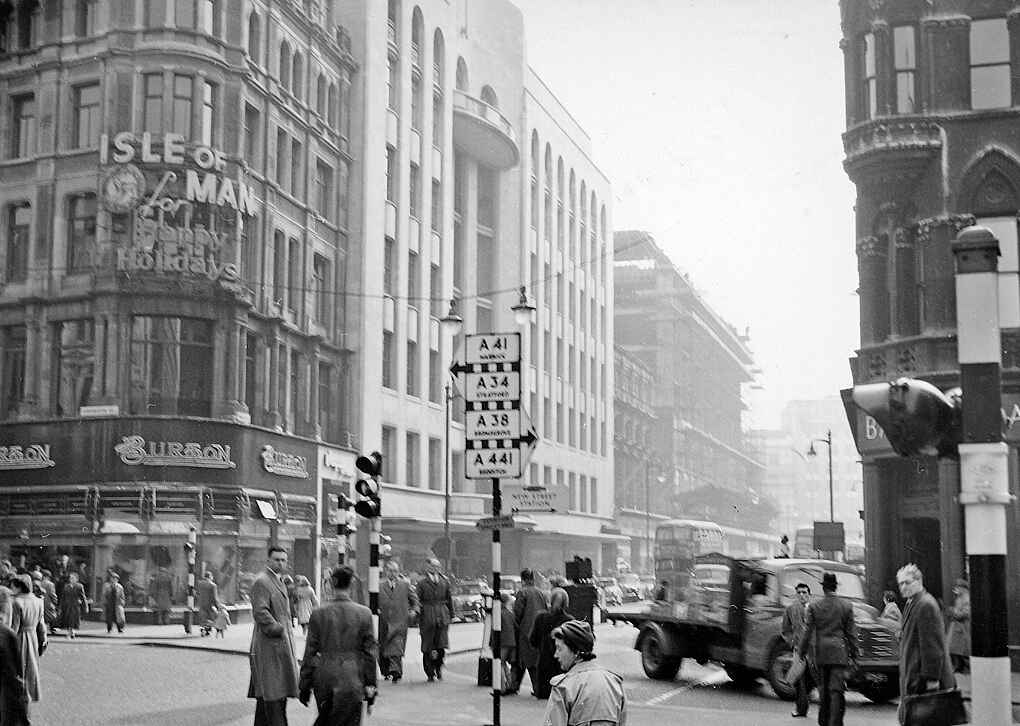
The sheer number of educational institutions and the quality of their teaching weren’t the only reasons Birmingham attracted students globally in the 20th century. Here are a few other factors that played a significant role:
- Affordable Housing. The cost of renting accommodation in Birmingham was roughly half that of London. Furthermore, most universities provided halls of residence for non-local students, ensuring decent living conditions.
- Cost of Living Perks. Students benefited from concessions on public transport. They also enjoyed discounts at many of the city’s cafés, cinemas, and other establishments.
- Vibrant Music Scene and Sports Clubs. Birmingham students formed clubs based on shared interests, giving them a way to find like-minded people and enjoy their free time.
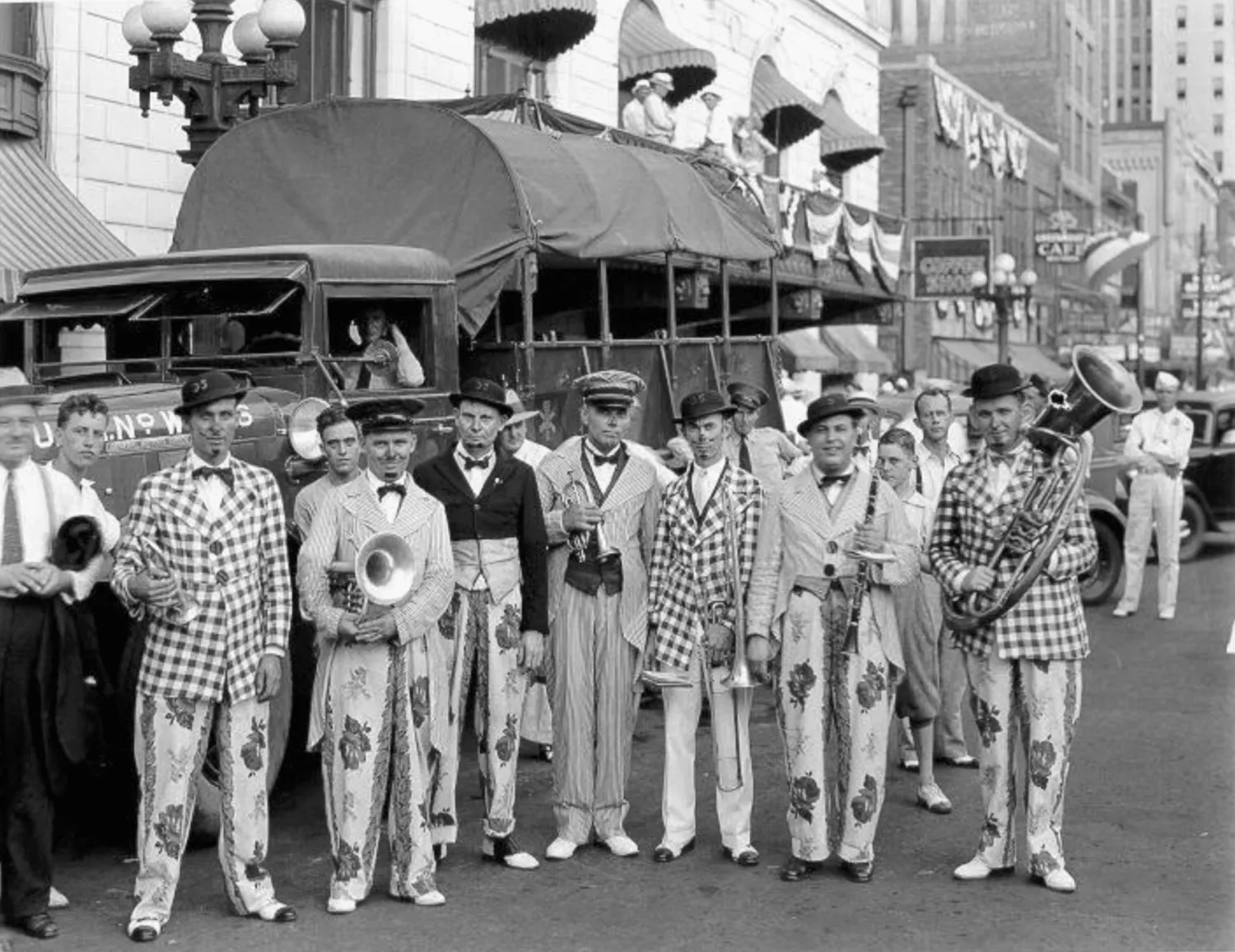
- Local Beauty Spots. Although Birmingham was seen as an industrial hub, it offered plenty of natural beauty. The city’s parks and gardens, along with countryside retreats just outside the city, provided perfect escapes.
The city’s buzzing cultural life was another huge draw. Hundreds of newcomers from various countries contributed to its development, fostering a rich cultural diversity. In 20th-century Birmingham, you could find restaurants serving global cuisine, venues showcasing every musical genre, and shops catering to every fashion style. Everyone felt comfortable, which is why young people often stayed to live, or returned home cherishing warm memories of their time studying in Birmingham.
How Students Lived in the 20th Century
Student life in the 20th century was colourful and varied. It was shaped by factors like warfare (especially the heavy toll on Birmingham during the Second World War), technological progress, and evolving social trends. Let’s delve into the key aspects of student life during this historical period.
What Did They Wear?
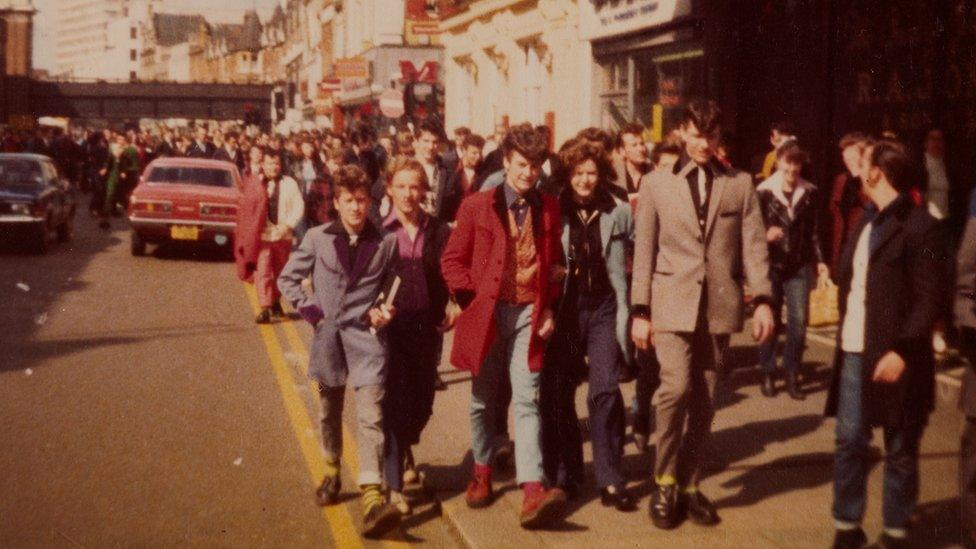
In the first half of the 20th century, students at Birmingham’s universities largely adhered to the classic English style of dress. While students from abroad might have brought their own cultural traditions, a strict dress code was generally the norm across most educational establishments. However, by the 1920s, students began to favour looser, more comfortable styles, focusing more on personal preference.
The second half of the 20th century saw a wave of freedom wash over British youth. Self-expression became paramount. Street fashion gradually superseded the traditional English style. By the 1970s, mixing and matching different clothing styles became a popular trend; for instance, students might pair a classic checked blazer with fashionable jeans. Subcultures also had a major influence on student wardrobes.
For example, in the 1950s, following the Second World War, Birmingham’s youth embraced the American-born ‘Teddy Boy’ and ‘Teddy Girl’ styles. Boys sported drainpipe trousers and a frock coat, often finishing the look with a bow tie. Girls wore rolled-up jeans or a pencil skirt with draped jackets. They loved bright accessories: brooches, hats, and clutch bags. The Teddy Boy and Teddy Girl styles were seen as a rebellious statement and an excellent way to express individuality. These looks saw brief revivals in Birmingham in the 1970s and again in the 1990s.
How Did They Spend Their Leisure Time?
Birmingham students had every opportunity to pursue their passions. Everyone had a hobby, and new clubs, societies, and communities were constantly popping up across the city. Here are some of the most popular ways students spent their free time last century:
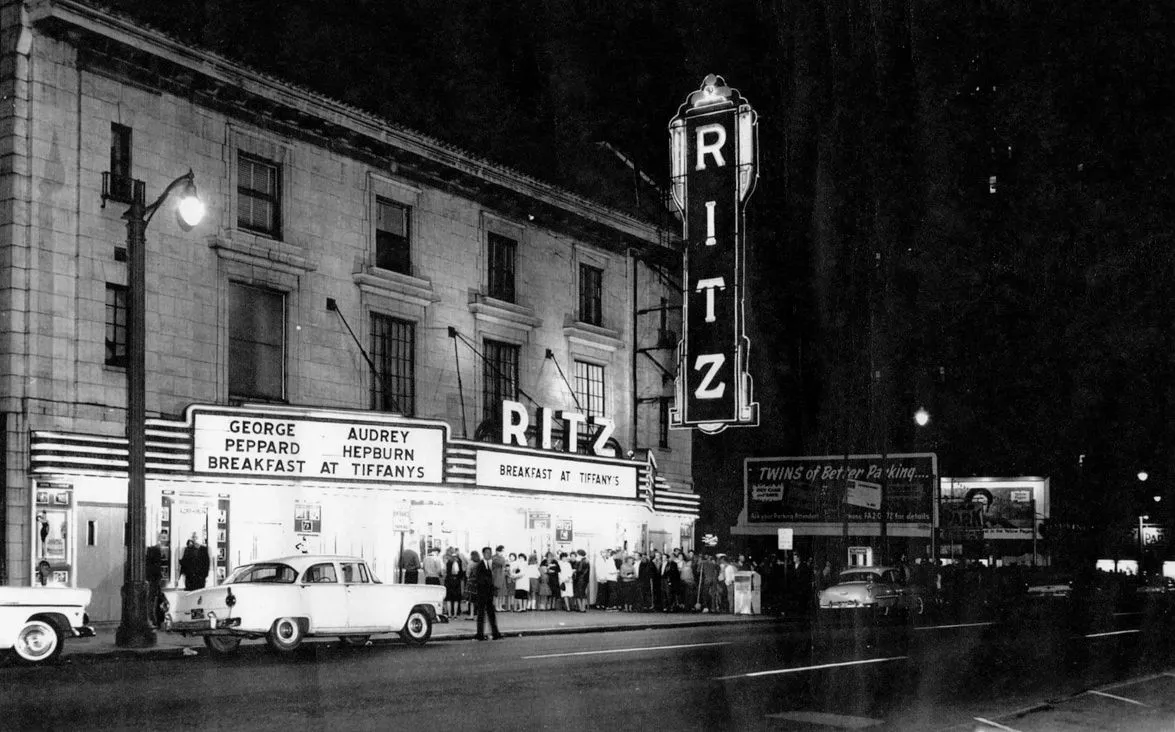
- Cinema and Theatre Trips. The first half of the 20th century saw the rapid growth of cinema. This period also saw new theatres open in Birmingham, including smaller, niche venues. Young people loved attending, and many were inspired to try their hand at acting.
- Visiting Pubs. In the early 20th century, Birmingham’s pubs were strictly controlled and their activities limited by local authorities. However, their role was re-evaluated during the Second World War, when pubs were seen as morale-boosting social hubs for residents. Young people favoured themed pubs with live music and an active entertainment programme.
- Playing Sports. Last century, Birmingham already offered facilities for practically every type of sport, from football and boxing to golf, water polo, and rugby. Students particularly loved tennis. This sport first appeared in Birmingham in the 1860s and was already highly popular by the early 20th century, especially among young people.
Student Life in Birmingham Today
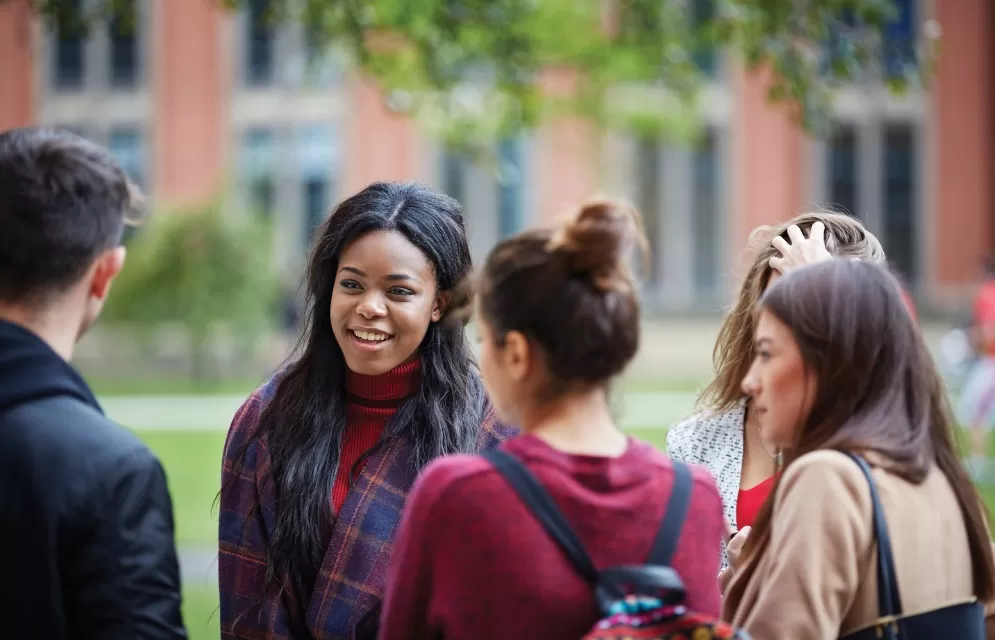
The student population in Birmingham has only increased in the 21st century, making their lives and leisure activities even more engaging. The 2000s saw the opening of several private colleges. Birmingham’s universities are constantly expanding, introducing new departments and teaching modern sciences. Just as before, young people from all corners of the world flock here to gain a quality education and, if they wish, a chance to find employment.
Students still regard Birmingham as the perfect place to study and live. The cost of living remains lower than in other UK cities. The cheapest rents are typically found in areas like Edgbaston and Selly Oak, although students living here have a slightly longer commute to the city centre campuses. On top of that, the city boasts numerous artistic, historical, and cultural landmarks, as well as an abundance of spots for walks and active recreation.