

Birmingham is a dynamic, youthful city, widely regarded as an epicentre of nightlife in the UK. It boasts a huge number of nightclubs, pubs, and other entertainment venues, with the most vibrant activity concentrated in the city centre. This is where most of the popular nightclubs are located. More at birminghamka.
A Brief History
The club scene in Birmingham, one of England’s largest cities, began in the 18th century. At that time, the city saw the formation of what were known as “gentlemen’s clubs” or “special interest clubs.” In these establishments, one could relax, socialise, and listen to music. They were primarily frequented by members of high society who preferred to socialise outside their homes.
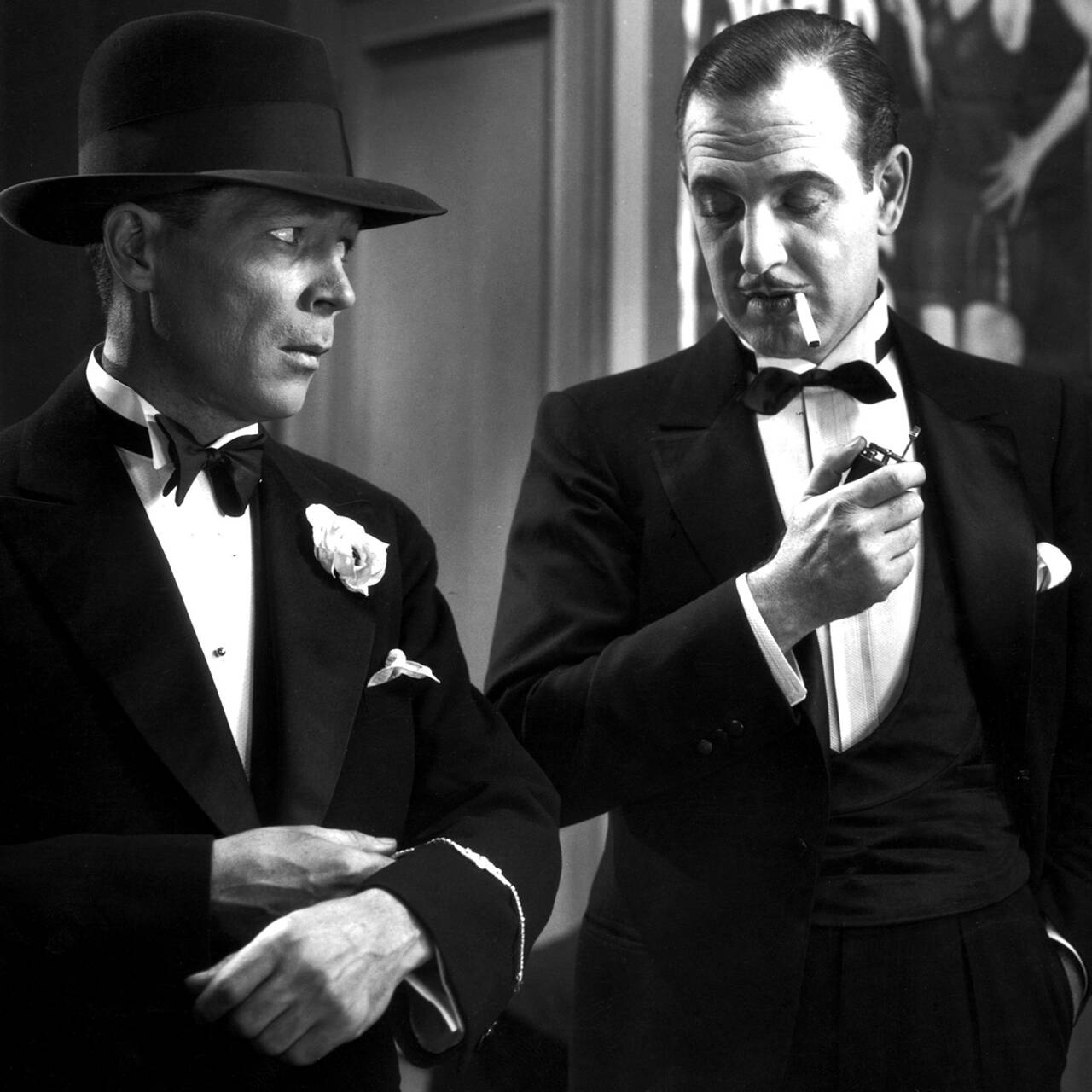
In the 19th century, the number of entertainment venues grew steadily. Birmingham was a multicultural city, attracting migrants from various countries. It also had a large youth population, which was reflected in its nightlife. Instead of the exclusive gentlemen’s clubs designed for the elite, different kinds of venues began to actively appear.
The city became famous for its pubs. They were meeting places where people could have a beer, grab a bite to eat, and relax. By the end of the 19th century, Birmingham was also renowned for its live music halls, where both local and touring musicians performed.
These and other establishments contributed to the city’s special atmosphere, which was loved by locals and attracted tourists. Its nightlife was so bright and bustling that Birmingham became one of the pioneering cities for nightclubs in Europe.
Clubbing in the Mid-20th Century
Modern-style nightclubs appeared in Birmingham in the post-Second World War period. The key features of these venues were:
- Opening Hours. Unlike other venues, nightclubs opened in the evening and operated until the early hours of the morning.
- Live Music. Most Brummies saw a visit to a nightclub as an opportunity to dance and enjoy live music.
- Entertainment. In the mid-20th century, nightclubs in Birmingham often hosted themed parties and shows, some of which required a strict dress code.
Nightclubs of that era were fundamentally different from the gentlemen’s clubs of the past. The focus was firmly on music and dancing; intellectual conversations and political debates were left behind. Brummies went to nightclubs to relax, meet friends, and have fun.
From the 1950s onwards, jazz was especially popular in Birmingham. Musicians, many of whom later became famous, performed in the city’s clubs. Today, some venues, like The Jam House in the heart of the Jewellery Quarter, continue this tradition with regular jazz performances.
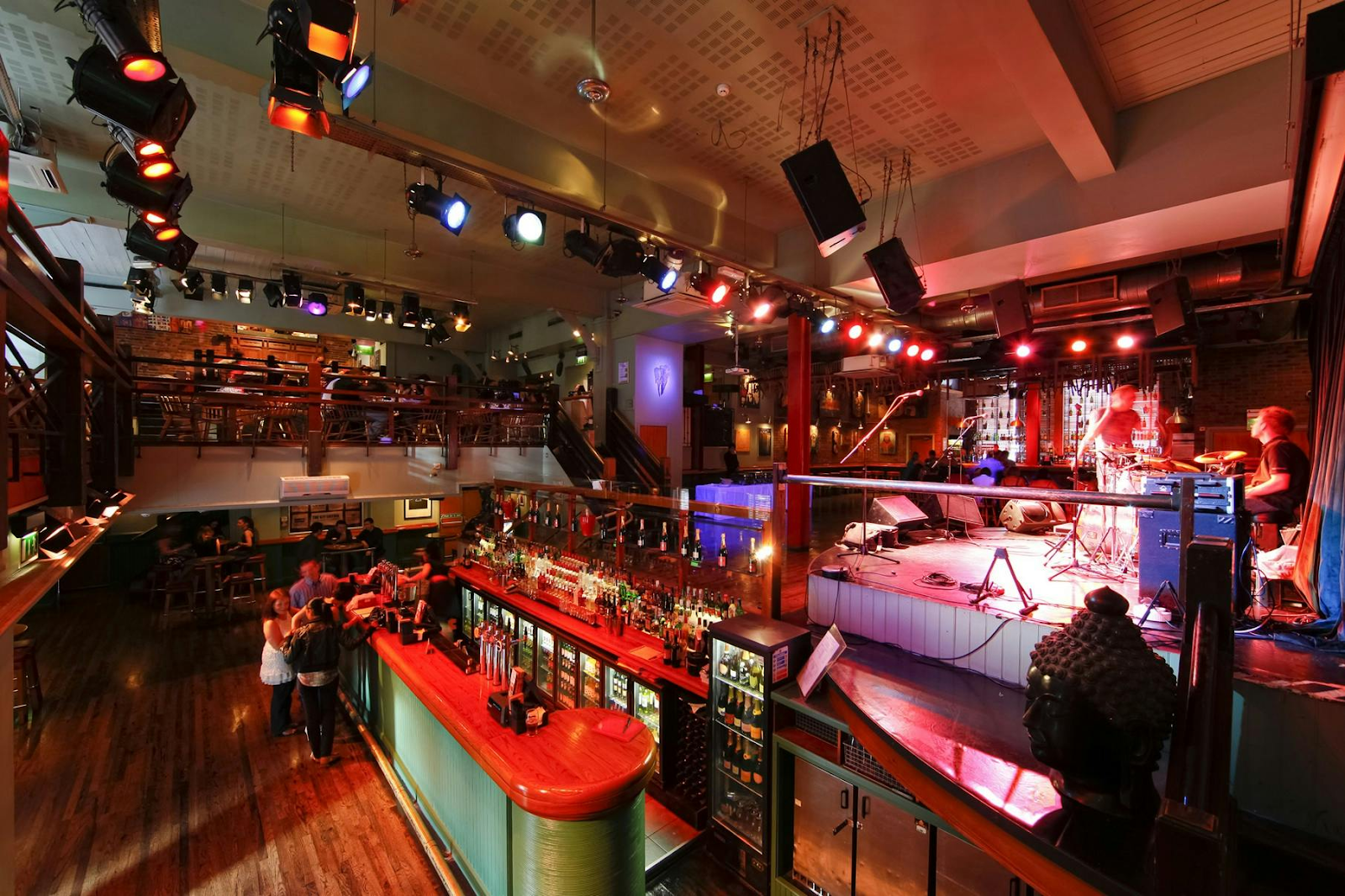
Between the 1960s and 1980s, genres like rock, rock and roll, and heavy metal dominated the nightclub scene. Bands that had formed in the city and achieved global fame were particularly frequent guests and crowd favourites. A prime example is the pioneering heavy metal band Black Sabbath.
Late 20th to Early 21st Century
In the 1990s, many new nightclubs of various formats appeared in Birmingham. Venues focusing on music genres like techno and house became particularly popular. Strip clubs also emerged during this time, though public opinion on them was mixed.
During this period, club culture became a space for self-expression for young people. For Brummies, clubbing was not just a form of entertainment; it also influenced their lifestyle. The youth were open to experimentation, and their desire for freedom and independence was reflected in everything, including their fashion choices.
In the 2000s, Birmingham’s nightlife was so diverse that it attracted not only locals but also young people from other regions and countries. One of the most iconic nightclubs of this era was The Medicine Bar, located in the Custard Factory in Digbeth. The club hosted a wide variety of events and featured many famous guest musicians.
Areas with a Buzzing Nightlife
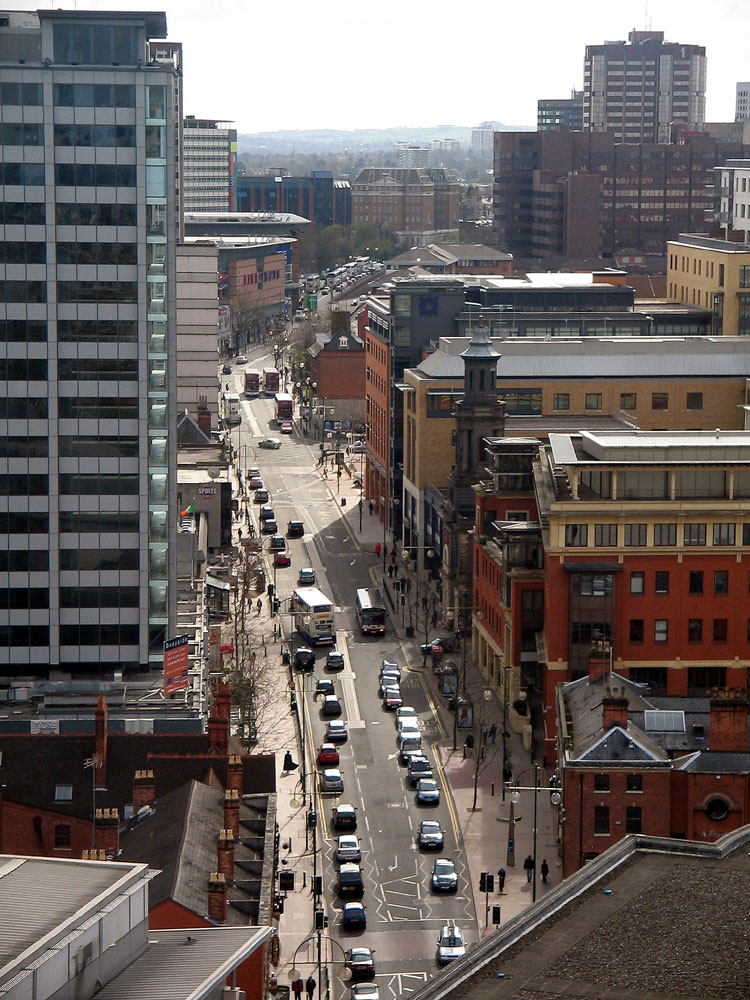
Today, Birmingham’s clubbing scene is concentrated in three main areas:
- Broad Street. This is the city’s main entertainment strip, considered the epicentre of its clubbing scene. It is also home to hotels, hostels, and numerous attractions.
- Digbeth. Famous for its relaxed, creative atmosphere, this area is a favourite among art lovers. It features various art spaces, concert halls, and alternative clubs, some of which are housed in former industrial warehouses.
- The Arcadian. This area contains the large Arcadian entertainment complex. The nightlife here is also vibrant, but its bars and clubs are generally aimed at a slightly older, more sophisticated crowd.
These areas have a special atmosphere at night, with tourists often arriving no earlier than 6 or 7 p.m. It generally feels safe here during the evening, as you can always hail a taxi and security guards are stationed at venue entrances. However, a key rule is to avoid walking alone in remote or unfamiliar areas of the city late at night.
Popular Nightclubs in the City
Today, the most popular venues in Birmingham are those that combine live music, good food and drink, a memorable atmosphere, and a high level of service. Here are a few popular clubs:
- Reflex. A top club on Broad Street that gathers thousands of positive reviews. Reflex specialises in 1980s and 1990s themed nights. Visitors often praise the excellent service, though some negative reviews mention issues with security.
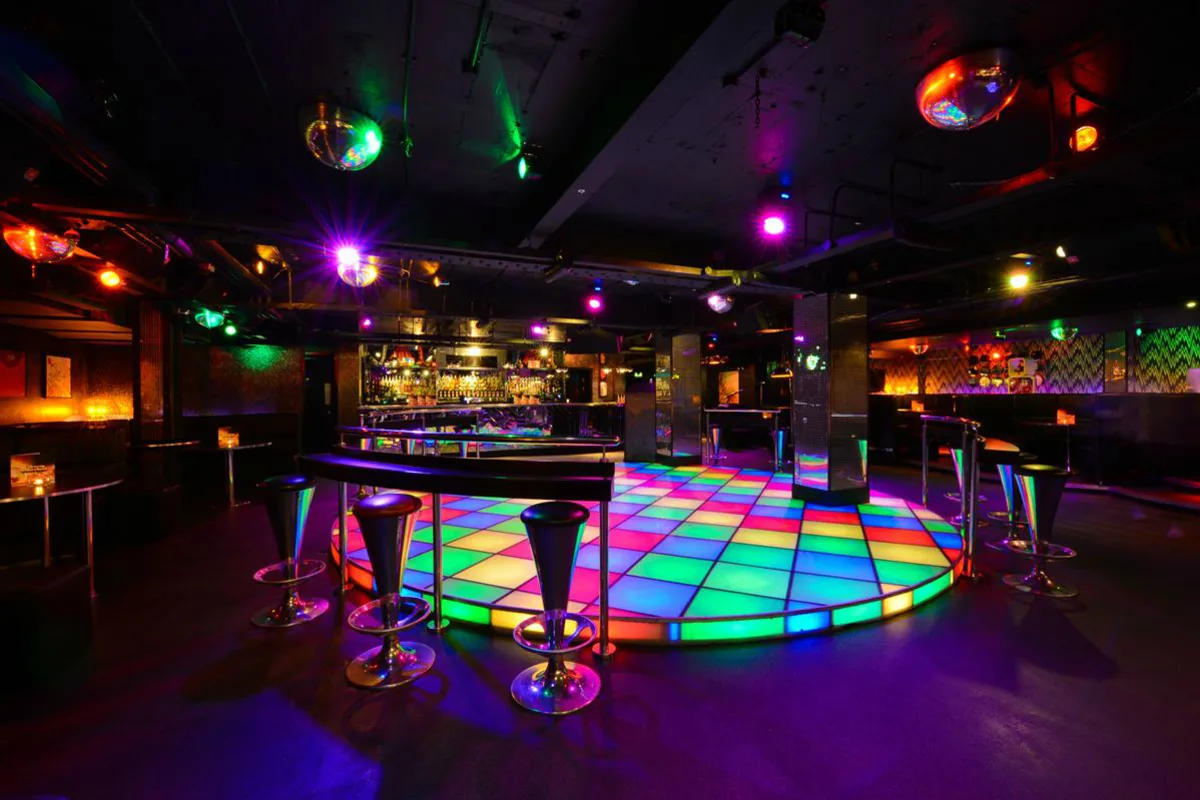
- Popworld. Another city-centre club where you can enjoy pop music. Visitors highlight its unusual interior, well-lit dance floor, and abundance of lights that create a fun atmosphere. Popworld is also known for its creative drinks list, with bartenders surprising guests with signature cocktails.
- XOYO. A favourite among music lovers who appreciate high-quality sound. The club uses professional sound equipment and employs experienced DJs. Visitors also like the spacious rooms, one of which is an open-air terrace. However, some guests note shortcomings such as poor ventilation and a limited bar selection.
- Rosies. This nightclub stands out with its five separate themed rooms, ensuring every guest can find a space to match their musical tastes. A private room can also be hired, which is popular with groups. It is essential to book a room or even just a table at Rosies in advance.