

The people of the United Kingdom have a long list of wedding traditions, many of which date back to the 20th century and are still observed today. In modern times, couples decide for themselves whether they want a traditional wedding or a more contemporary celebration. However, in the past, customs and traditions were taken much more seriously. Each region in the UK has its own wedding customs, and Birmingham is no exception. Let’s explore the wedding traditions that were popular in Birmingham in the 20th century and discover what attire newlyweds chose for their big day. Read more on birminghamka.
The Bride’s Attire
Wedding fashion in 20th-century Birmingham underwent dramatic changes. In the 1920s and 1930s, brides generally fell into two categories—those who adhered to a traditional look and those who embraced bold, modern styles.
During this time, designers introduced unconventional wedding dresses that would have been deemed inappropriate in the 19th century. Many Birmingham brides eagerly embraced these trends. For example, bare ankles, once considered indecent, became fashionable. Hemlines gradually rose, and many wedding gowns featured dropped waistlines. One of the most popular bridal accessories of the 1920s was the cloche hat, which Birmingham brides often incorporated into their wedding ensembles as an alternative to a traditional veil.
However, some brides still preferred a more classic look, opting for long gowns without flashy details. One distinctive feature of traditional wedding dresses in the early 20th century was the long train, which Birmingham brides chose for its elegance and aesthetic appeal.
How Wedding Dresses Changed in the Second Half of the 20th Century
During wartime and the post-war years, many Birmingham brides had to sew their own wedding dresses. Fashion took a backseat as women used whatever fabrics were available. Many repurposed old dresses handed down from previous generations, and wedding dress rentals became popular.
By the 1960s, wedding fashion evolved again. Inspired by global trends, Birmingham brides embraced mini-skirts—even on their wedding day. Many opted for short dresses that showcased their legs and highlighted their figures. Some daring brides chose wedding gowns with detachable trains that could be removed after the church ceremony.
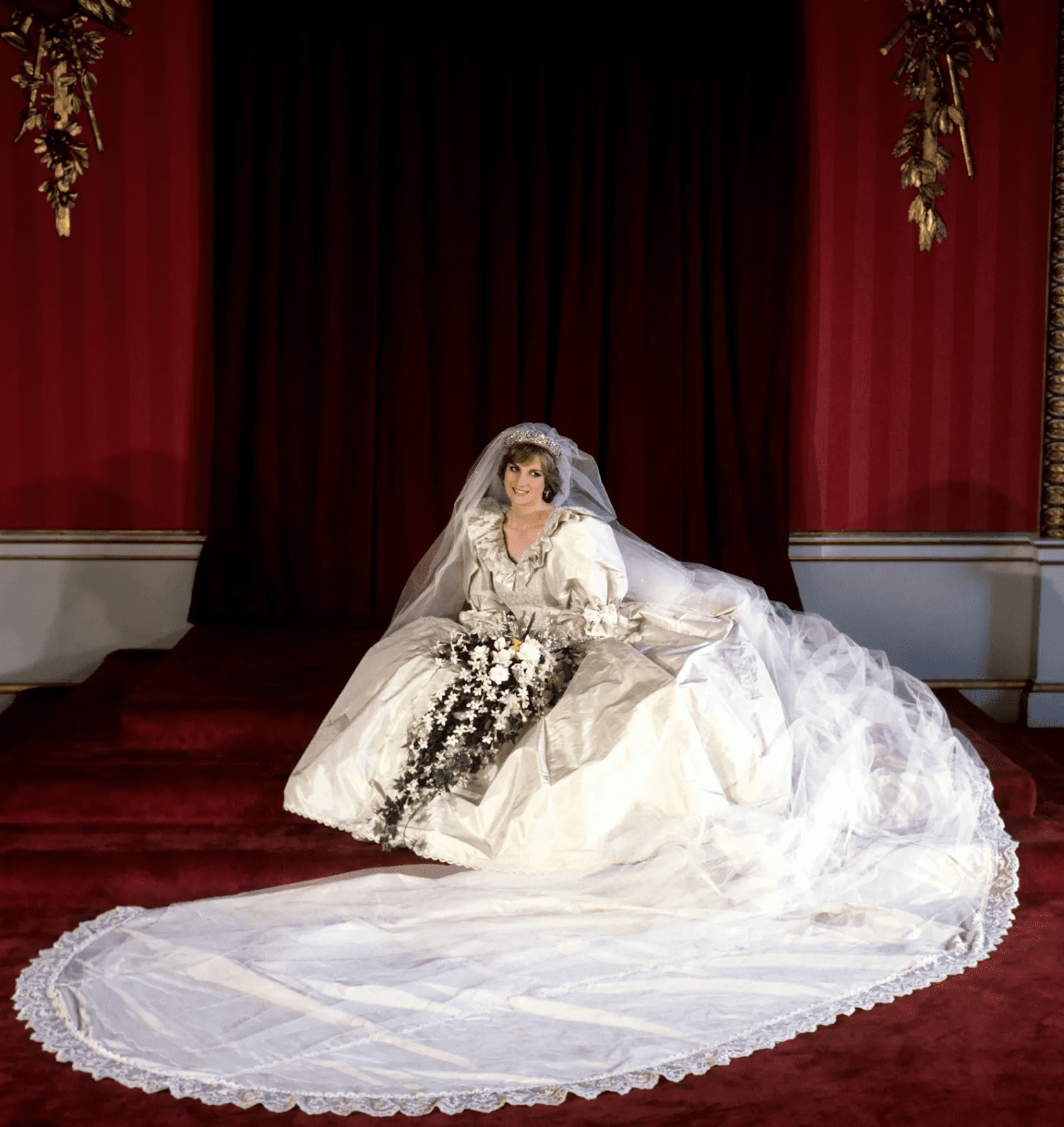
The 1980s and 1990s saw a return of voluminous wedding gowns, likely influenced by Princess Diana’s iconic wedding dress, which featured dramatic puffed sleeves, a full skirt, and a long train.
By the late 20th century, the concept of “wedding fashion” had begun to fade. Brides started choosing their attire based on personal preference rather than adhering to trends, a shift that continues today.
Popular Wedding Customs

In the 20th century, Birmingham residents followed numerous traditions related to weddings and their preparations. While modern couples are not obligated to adhere to these customs, many still incorporate a few of them into their celebrations. Some of the most enduring wedding traditions from the 20th century include:
- The Stag and Hen Parties – The term “hen party” first appeared in 1881 in British newspapers. It originally referred to a dinner hosted by Queen Victoria for her daughter and her friends. By the 20th century, Birmingham residents had adopted the custom of organising hen and stag parties before the wedding.
- The Bride’s Handover to the Groom – In early 20th-century Birmingham, family values were deeply respected. Grooms understood that it was important to win the approval of their future in-laws. If successful, the bride’s father would personally “hand over” his daughter to the groom. Fathers also retained the right to cancel an engagement if they deemed the groom unworthy. Today, this tradition is mostly observed by families with conservative values.
- The Veil and Headpiece – Some 20th-century Birmingham brides chose to forgo a traditional wedding veil, but a headpiece or some form of covering remained a common element of the bridal look. This was likely due to old superstitions that a veil protected the bride from evil spirits by concealing her face. In modern times, veils and headpieces are simply seen as optional wedding accessories.
Something Old, Something New, Something Borrowed, Something Blue

One particularly interesting tradition became deeply ingrained in Birmingham weddings during the 20th century. The custom involves close friends and family members presenting the bride and groom with symbolic gifts before the wedding. This gesture serves as a reminder of the love and support surrounding the couple. The gifts fall into four categories:
- Something old – Parents often gift the couple heirloom jewellery or other valuable family treasures. These items typically hold sentimental and material value.
- Something new – This can be any newly purchased item specifically chosen for the bride or groom. Couples often request particular gifts from friends or relatives in advance.
- Something borrowed – This category requires more thought, as the gift must be something the newlyweds will actually use after the wedding. Relatives and friends lend meaningful items from their own possessions to symbolise continuity and shared happiness.
- Something blue – Blue is a symbol of purity and fidelity. Brides often receive blue-coloured gifts, such as fabric accessories or small clothing items.
The Something Old, Something New, Something Borrowed, Something Blue tradition remains popular in Birmingham today. These symbolic gifts are often exchanged during hen and stag parties as a cherished pre-wedding ritual.
Source:
- https://www.barnebys.co.uk/blog/a-brief-history-of-20th-century-wedding-dresses
- https://thebowesmuseum.org.uk/200-years-of-wedding-dresses/
- https://www.hrp.org.uk/kensington-palace/history-and-stories/a-history-of-royal-weddings/#gs.imgwih
- https://www.wedsocietypro.com/article/100-years-wedding-history/
- https://www.archesbeachweddings.com/best-british-wedding-traditions/