

Birmingham has long been known as the “City of a Thousand Trades” or “the Workshop of the World.” For centuries, it has been home to various industries and manufacturing enterprises. The range of goods produced in Birmingham and distributed worldwide has always been vast. Read more on birminghamka.
Despite the city’s thriving industry, many residents struggled with poverty in the 19th and 20th centuries. Many had to work long hours for minimal wages, and Birmingham women often had to take on jobs traditionally considered unsuitable for women. Here are some key facts about the professional lives of Birmingham’s women in the past.
Women’s Work in the 19th Century
In the early 19th century, most Birmingham women were engaged in domestic duties and household management. The city was filled with workshops employing blacksmiths and other skilled tradesmen. Additionally, numerous industrial enterprises produced porcelain, metal goods, furniture, jewellery, and more. However, the majority of factory and workshop workers were men.
Some women managed to find work in skilled trades, but more often, they were employed in agriculture. Many worked on farms, performing physically demanding and poorly paid labour while also managing household responsibilities. Others took on work as laundresses, washing clothes at home to earn a small income. Women without families often worked as live-in servants for wealthier households.
Running a household was a full-time job, requiring women to cook, clean, care for children and elderly relatives, and sew clothing. By the mid-19th century, more women began securing factory and textile mill jobs, as Birmingham saw a rise in industrial growth.
The Controversial Factory and Workshop Act
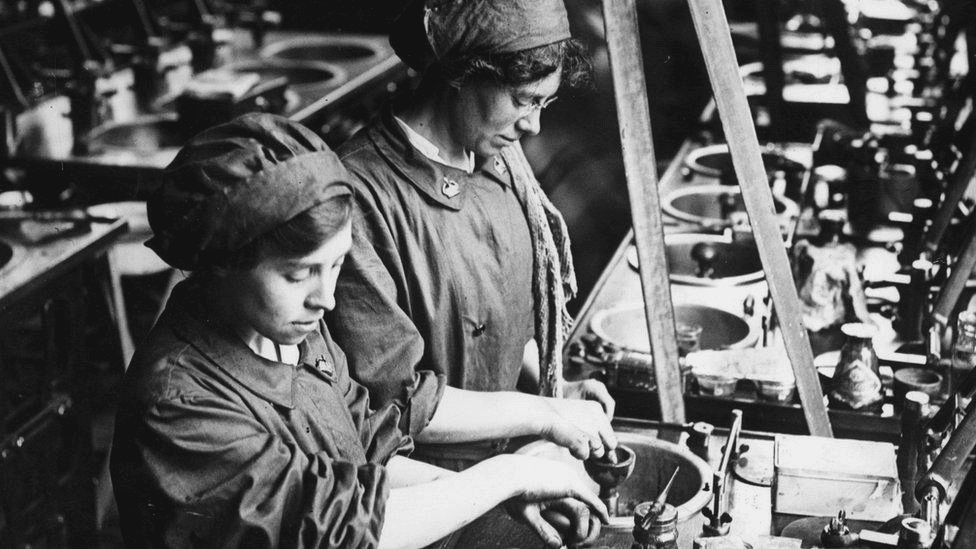
The opportunity to gain official employment was welcomed by many women, as it provided them with a degree of financial independence. However, the mid-19th century saw increasing controversy over the Factory and Workshop Act, a law that local authorities had been working on for years.
The first version of the act was passed in 1844, but it was revised several times in the following decades. The law aimed to regulate women’s working hours and improve workplace conditions. By 1867, the legislation extended to other industries beyond textile factories.
The act limited women’s working hours to a maximum of 10.5 hours per day, and shifts had to take place between either 6 AM to 6 PM or 7 AM to 7 PM. Overtime and night shifts were strictly prohibited.
Lord Ashley and other supporters of the act justified these restrictions by arguing that strenuous labour jeopardised women’s ability to bear and raise children. In their view, the primary role of women in Birmingham was to fulfil their “household, marital, and parental duties.”
Birmingham women had little choice but to comply with the law, even when it left them struggling to make ends meet. Additionally, factories became less inclined to hire women, as men could work longer hours and generate greater profits for employers.
Women’s Work in the 20th Century
By the 20th century, women in England—and other developed countries—gained more rights and freedoms. Birmingham women were increasingly able to pursue education and enter professional fields previously considered exclusive to men.

Significant changes occurred after World War II, as Birmingham entered a period of economic prosperity. Between 1951 and 1961, major factories and enterprises were built, creating a record number of job opportunities. Both men and women could apply for these positions, breaking the traditional employment barriers.
During the 1970s, Birmingham saw a boom in office construction, particularly in the city centre. More and more women began working in administrative and corporate roles. By the late 20th century, the city had fully cemented its reputation as the “City of a Thousand Trades,” offering women opportunities in both conventional and emerging professions.
What Has Changed Today?

Since the late 20th century, Birmingham has evolved into a multifaceted city. Factories, manufacturing plants, and workshops continue to operate, including the renowned Jewellery Quarter, home to goldsmiths, private workshops, and luxury jewellery stores. The city is also a major hub for the automotive industry, with one of the world’s largest Jaguar factories located in Castle Bromwich.
At the same time, Birmingham has seen growth in trade, tourism, and the service sector. Women play a significant role in these industries, with many becoming successful entrepreneurs and earning widespread recognition.
Today, Birmingham women work in a diverse range of professions. Their rights are no longer restricted—they have the freedom to work the same hours as men or choose flexible schedules according to their preferences and ambitions.