

Birmingham is known not only for its mining past but also for its jewelry industry. The famous Jewelry Quarter supplied the entire country with unique pieces—and not just jewelry. How did a mining region manage to take a leading role in such a delicate and refined craft as jewelry making? More on birminghamka.
It All Started with the Pembertons
The first registered jeweler in Birmingham was Roger Pemberton, who established his business in 1553. His small workshop laid the foundation for the city’s Jewelry Quarter and the entire industry. By the late 19th century, Birmingham had twenty-eight jewelers, and by the early 20th century, that number had grown to four hundred.
The rapid development of the industry was driven by high demand both in the city and across the country. The jewelry trade expanded rapidly, and by the late 20th century, it employed 30,000 people.
However, Birmingham’s jewelry industry experienced two major downturns. The first was in the 1820s, at the peak of the Industrial Revolution, and the second occurred during the Great Depression and World War II, when even wealthy Britons could not afford to buy jewelry.
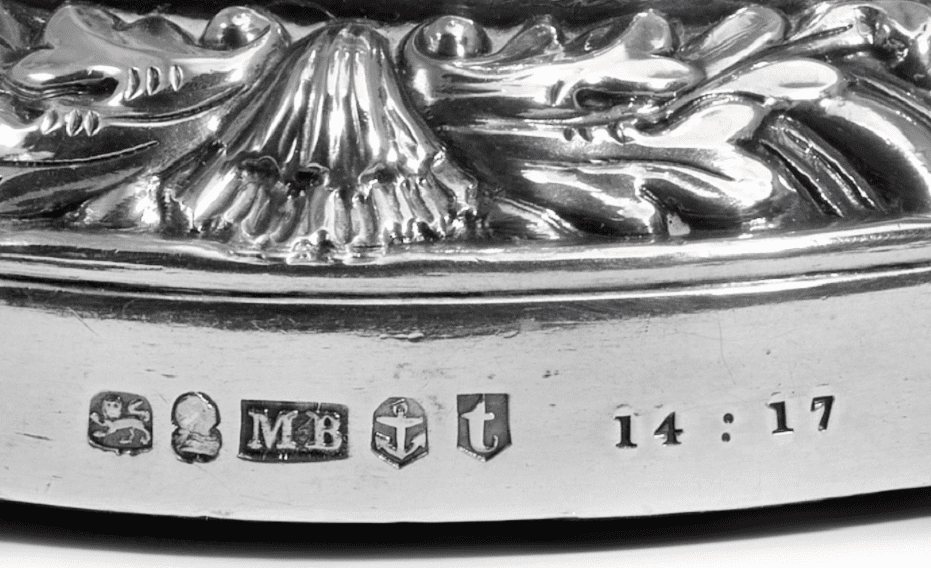
During its golden age, Birmingham’s jewelers dictated trends in the industry. They influenced not only what English aristocrats would wear but also legislation. Matthew Boulton, a silverware manufacturer, successfully lobbied the government to introduce hallmarking laws and create a quality assessment center. This led to the establishment of the Birmingham Assay Office, which ensured the proper testing of precious metals. As is well known, raw precious metals have no hallmark when extracted from the earth; only through refining and processing are they assigned a purity grade—a task now performed by modern refining companies.
Giving Back to Their City
The jewelry industry suffered financial losses at times but always recovered quickly. From its inception through the 21st century, it remained one of the most profitable sectors. Jewelry makers contributed more tax revenue to Birmingham’s budget than any other industry.
For convenience, jewelers established the Jewelry Quarter in the northwestern central part of Birmingham. The location was chosen strategically—it had an extensive canal network, allowing for the efficient transportation of raw materials and finished products. Jewelers typically lived above their workshops or in neighboring houses.
Birmingham’s rise in the jewelry trade was also helped by the decline of the industry in Derby and Edinburgh, which led to Birmingham-made pieces flooding the London jewelry market.
World War II was both a blessing and a challenge for Birmingham’s jewelry industry. On the one hand, it allowed local craftsmen to enter the international market, but on the other hand, they struggled to compete. The quality of raw materials declined, exacerbated by the difficult postwar years. As a result, a decision was made to transform the Jewelry Quarter into a creative hub. Factories that shut down were modernized or repurposed, with the city and private benefactors investing in the preservation of historic buildings. Nevertheless, some structures were lost over time.
Modern Progress
Despite its transformation into a trendy district, the Jewelry Quarter still houses some working workshops. In its early days, jewelry making was akin to alchemy—craftsmen would heat metals, cast them into iron molds, and rely heavily on manual labor.
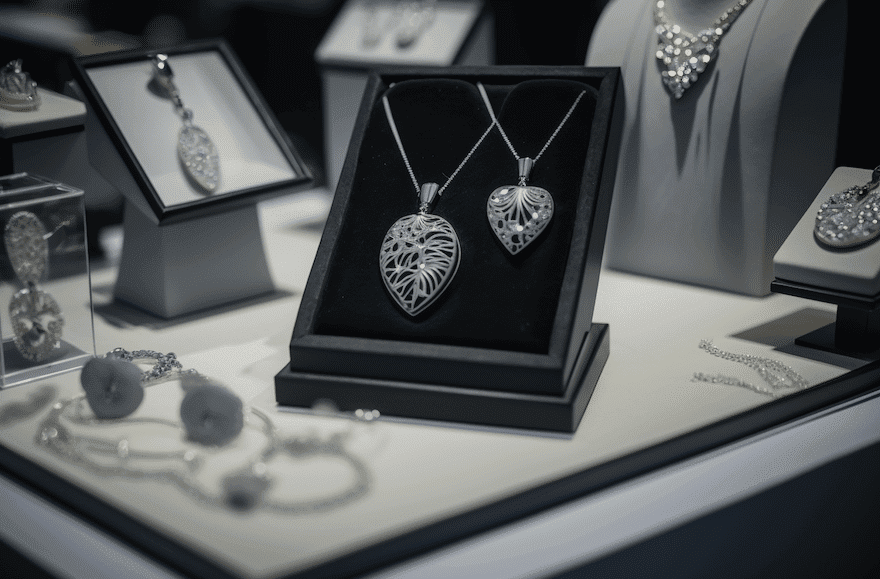
In the 21st century, things are much simpler. Handmade jewelry has become a rarity, as the rise of 3D printing has revolutionized the industry. This technology is now used even in medicine to print organs, so creating jewelry with it is hardly surprising. 3D printing has been one of the greatest industrial breakthroughs, ushering in a new era for the craft by enabling jewelers to design more intricate and unique pieces.
Laser technology has also been a game-changer. Engraving on jewelry is now more precise and efficient. Additionally, the advancement of robotics has significantly benefited the industry, reducing waste and streamlining production.
Birmingham’s jewelers continue to set trends in craftsmanship, merging tradition with innovation in a city where history and modernity go hand in hand.