

Due to its geographical distance from London and other major cities, Birmingham remained relatively free from the influence of the Crown, the Church, and the government. The concentration of mines and heavy industry deterred aristocrats, making the city a haven for thinkers, writers, radicals, and rebels. Publishing flourished in Birmingham, offering hundreds of books, magazines, and newspapers that local women could explore. Read more on birminghamka.
Medieval Literature
Little remains from medieval Birmingham in terms of physical structures. Most buildings were lost to time and war. However, one significant literary event occurred during this period. John Rogers, who lived in Birmingham, translated and edited the Gospel of Matthew in 1537. This work became the foundation for later versions of the Bible. A few centuries later, this Bible could be found in nearly every middle- and upper-class Birmingham woman’s home, making it one of the first books widely read by women.
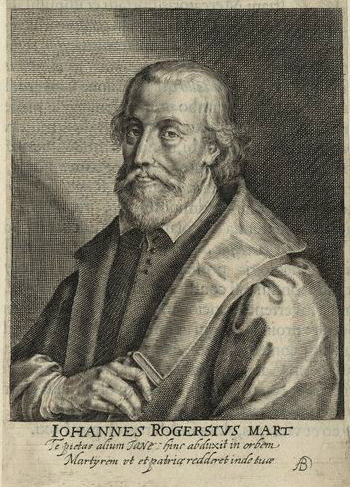
In the 17th century, theological literature flourished in Birmingham. Local writers and scholars published numerous works, and religious and political discussion centres thrived. Working-class women had little access to theological texts or books in general. However, middle-class women engaged in intellectual debates and studied political radicalism alongside men. One prominent figure was Francis Robert, a vicar at Birmingham Cathedral, who wrote extensively on theological topics.
By the mid-17th century, street literature emerged in Birmingham. These works often included ballads about daily life in the city, focusing on the experiences of ordinary people. This type of literature developed due to laws prohibiting Birmingham publishers from operating within the city limits. It became the first form of literature widely accessible to the working classes.
Borrowing Books on Credit
By the 18th century, publishing houses were opening across the city, and library collections were growing rapidly. A new practice emerged—books could be borrowed on credit, allowing those with modest incomes to access reading materials. By the late 18th century, over 50,000 people regularly visited libraries and read books, making Birmingham one of the most literate cities in England.
One of the leading authors of the time was Samuel Johnson. His Dictionary of the English Language was a staple in nearly every home. Women were determined not to fall behind men in education, and early feminist ideas began to take shape.
A major publication of the time was The Birmingham Journal, edited by Thomas Warren. It featured essays and book excerpts, often covering themes of travel, religious uncertainty, and philosophical reflection.
In addition to entertainment and theological literature, Birmingham was home to publications on grammar, history, and biology. Street literature also evolved, becoming more sophisticated.
Women in Literature
By the 19th century, fiction was becoming more popular, and many women began making their mark as authors. Catherine Hutton was one of the first female writers in Birmingham’s literary history. In 1813, she published The Miser Married, followed by other works that resonated with female readers.
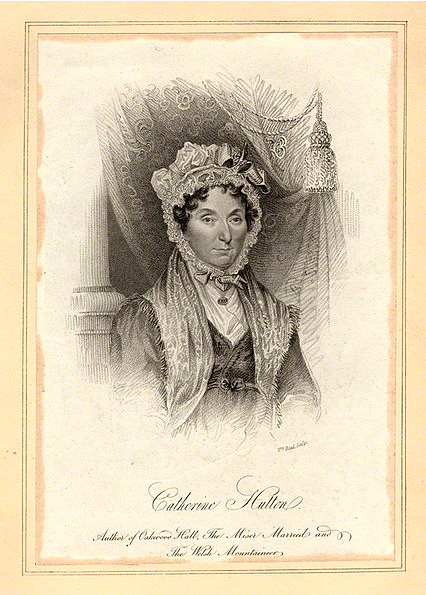
Throughout England, women novelists were on the rise. Isabella Varley Banks, originally from Manchester, established herself as a writer in Birmingham. Her works frequently depicted life in the city.
However, female authors did not limit themselves to romance novels. Emma Jane Guyton gained recognition for her religious writings. Charlotte Elizabeth Tonna created graphic works illustrating the lives of ordinary Birmingham residents, helping the middle and upper classes better understand the struggles of the poor.
Louisa Baldwin wrote poetry and children’s literature, both of which were highly popular among women. Poetry, in particular, was a widely celebrated genre at the time, and Baldwin was a prominent figure in the field.
The Lady Magazine
Birmingham women did not limit themselves to local publications. One of the most popular magazines among women from the late 18th century to the mid-19th century was The Lady. It was also known as The Entertaining Companion for the Fair Sex, Appropriated Solely to Their Use and Amusement.
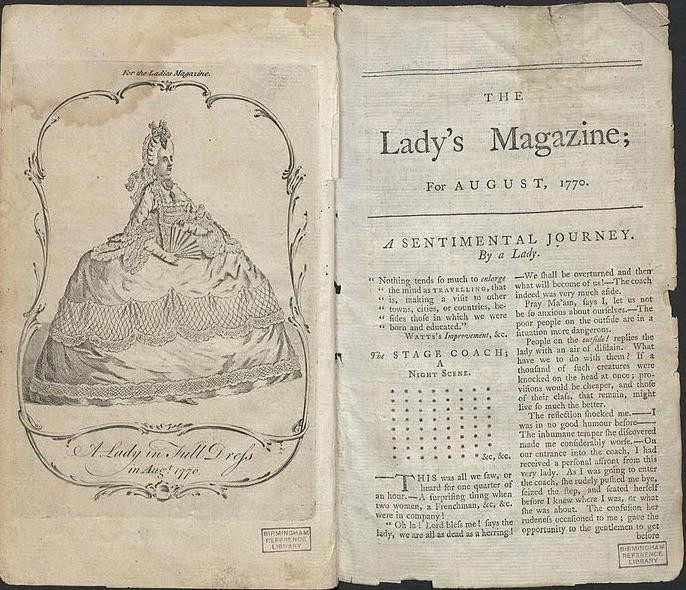
Published in London, it was a monthly magazine priced at sixpence. It reached an audience of 16,000 women across the country.
The magazine featured stories and articles written by professional and semi-professional authors, including Mary Russell Mitford. Despite its title, The Lady often republished articles from men’s magazines. Women were interested not only in fashion, recipes, and love stories but also in broader topics. While it covered style and beauty, its primary aim was to promote a sense of domestic harmony among its readers. Political articles were rare, with most content focusing on literature, biographies, and cultural trends.
Birmingham women could purchase The Lady at the city market or receive it by post, making it an accessible source of entertainment and knowledge.