

Few male writers can truly capture the essence of women in literature. Unfortunately, understanding a woman’s nature and soul is something only a woman can do. Fay Weldon, a renowned English writer, brought female characters to life on the pages of her novels. Read more on the birminghamka website.
A Literary Family
Fay Weldon was born in Birmingham in 1931. One could say her future was predestined—her mother, uncle, and maternal grandfather were all writers. Her father was a doctor, and his work took them far from England’s shores. The family moved to New Zealand, but before long, her parents divorced. Fay and her sister split their time between two homes, growing up in Christchurch, where she attended a girls’ high school.
Although her mother was a writer, she did not hold feminist views. She placed great importance on conventional ideals of beauty, which she did not attribute to her daughter. Fay’s mother frequently lamented that no one would marry her, and she would be forced to study and work. This belief profoundly influenced Weldon’s writing and worldview. In her novels, she often gave leading roles to women who lacked conventional beauty, refusing to conform to societal beauty standards.
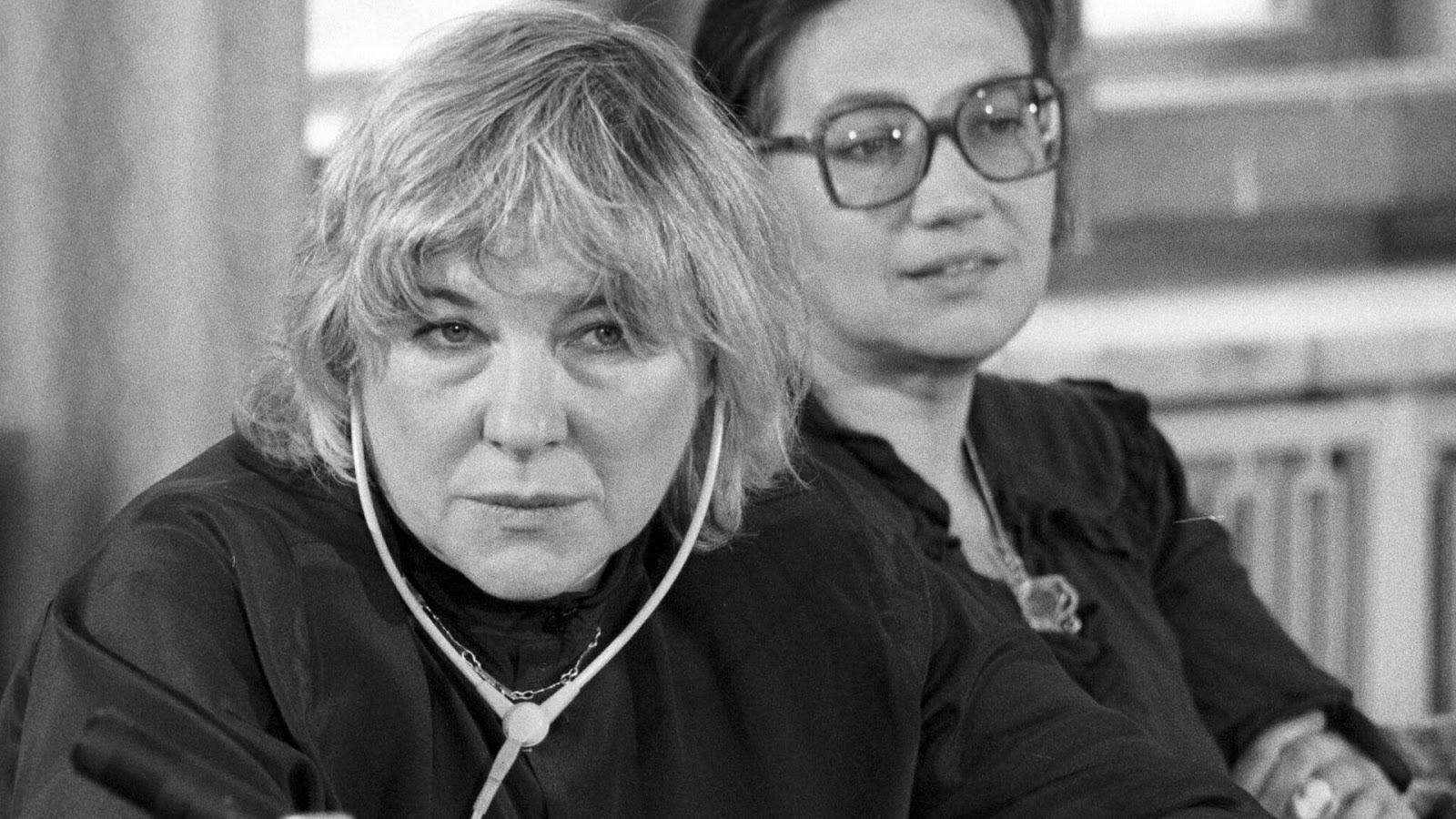
When Fay was 15, she, her sister, and her mother returned to England. Her father remained in New Zealand. He never visited his daughters, nor did they visit him. As a result, Fay only saw her father again at his funeral. At that time, she did not consider a career in writing. Under her mother’s influence, she focused on marriage and family, determined to find a husband and build a family as her primary goal.
Men at the Helm of Everything
In England, Fay completed her secondary education at South Hampstead High School before attending St Andrew’s University, where she studied economics and psychology. While at university, she attended lectures by Malcolm Knox, who famously never addressed the women in his audience. He believed that only the male brain was capable of objectivity and that women lacked moral reasoning. While he was undoubtedly wrong, his views left an impression on Weldon’s consciousness.
In 1952, she worked as a junior clerk at the Foreign Office, earning a meagre £24 per month.
This was not her first job. During the Cold War, she wrote pamphlets for distribution in Europe. Later, she worked at the advertising agency Crawford’s. She joined the editorial team after having her first son, as the salary was better than what she earned at the Foreign Office.
Fay had experience in copywriting, but her role involved distributing materials rather than writing them. She did not have a long-term working relationship with Ogilvy, Benson & Mather.
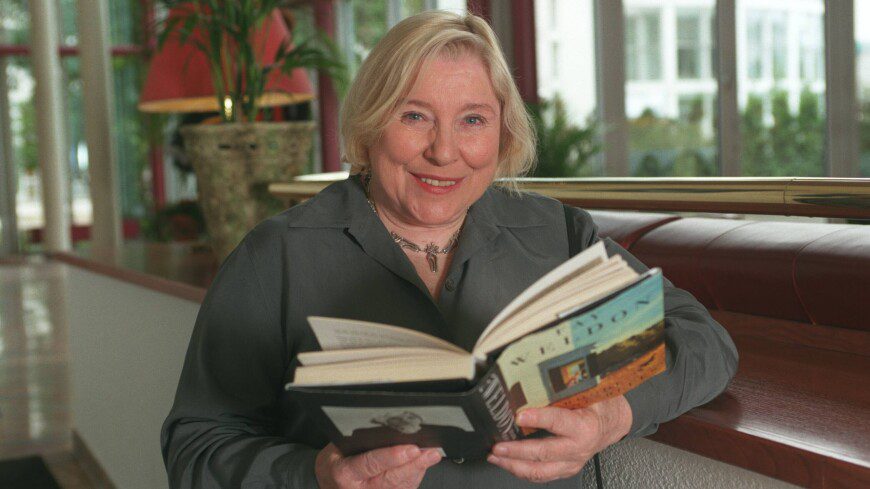
From the First Pages
Unlike her previous jobs, where she struggled, Fay found success in writing. In 1966, she presented her first novel to a publisher, who was immediately captivated. The Fat Woman’s Joke was her literary debut. Weldon attributed her success solely to hard work, which culminated in the publication of 30 novels.
Weldon was not only a novelist but also a screenwriter. The Writers’ Guild of Great Britain awarded her for her work on the television series Upstairs, Downstairs. In 1980, she wrote the screenplay for Life for Christine, a harrowing story about a teenager’s imprisonment. She also worked on several classic adaptations for the BBC.
Her most famous novel is The Life and Loves of a She-Devil, published in 1983. Weldon didn’t just write for passion—she also wrote for profit. The novel The Bulgari Connection was commissioned by the jewellery brand Bulgari, which paid her to include a set number of mentions of their name in the book. She exceeded the required count nearly threefold and earned £18,000 solely for that.
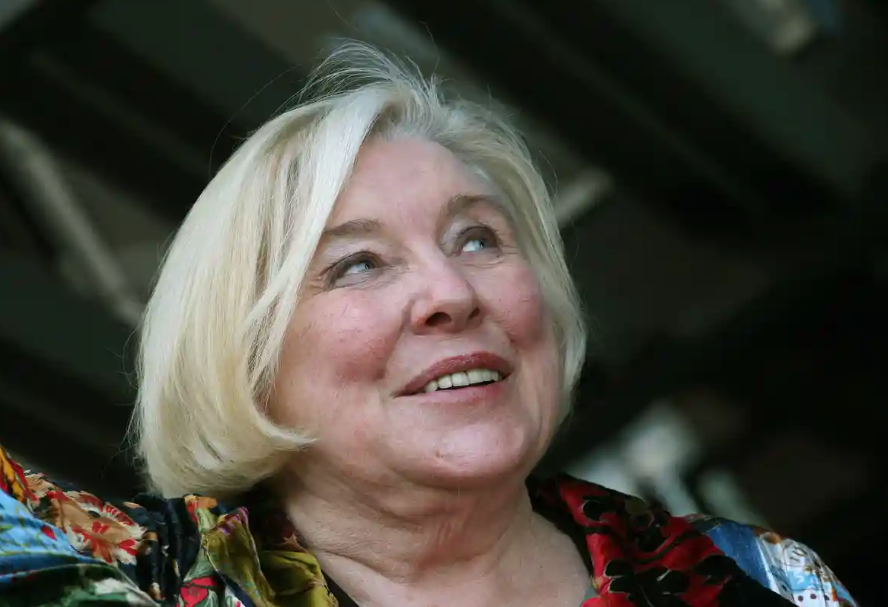
Writing, Judging, and Teaching
Beyond writing novels, Weldon was actively involved in other creative fields. She served as a judge for the Berlin International Film Festival and the Booker Prize. In addition to judging, she also taught. In 2006, she became a professor at Brunel University, where she taught creative writing. Weldon believed that talent alone was not enough to succeed as a writer. While talent is important, she argued that many aspects of writing can be learned. In her view, success was “five percent talent and ninety-five percent hard work.”
In her courses, she taught aspiring writers how to convey emotions, structure their thoughts, build narratives, and create fictional worlds. In 2012, she returned to teaching at Bath Spa University. She was also invited by the Danish Free Press Society and was regarded as its most famous international member.
Feminism and Cancel Culture
Weldon gave a voice to women who were considered “unattractive” by societal standards. She stated that through her characters, she allowed such women to speak out. Society, she argued, is often harsh towards those who do not fit conventional beauty ideals. This, along with male dominance in the world, led her to embrace feminism.
She rejected the notion that men always financially support women. That assumption, she argued, implied that women were incapable of earning a living on their own. She had proven otherwise as early as the 1950s when she supported herself and her son independently.
Weldon frequently encountered feminist issues in different aspects of her work. During the casting for a television drama she was involved in, she discovered that the directors had chosen an actress solely based on her appearance.
She was never afraid to express her opinions, sometimes harshly, which led to backlash from women. One of her remarks about sexual violence sparked widespread outrage. She broached the sensitive subject of sexual assault, a topic that is precarious for many feminists. Any statement that does not explicitly defend victims tends to provoke strong reactions.
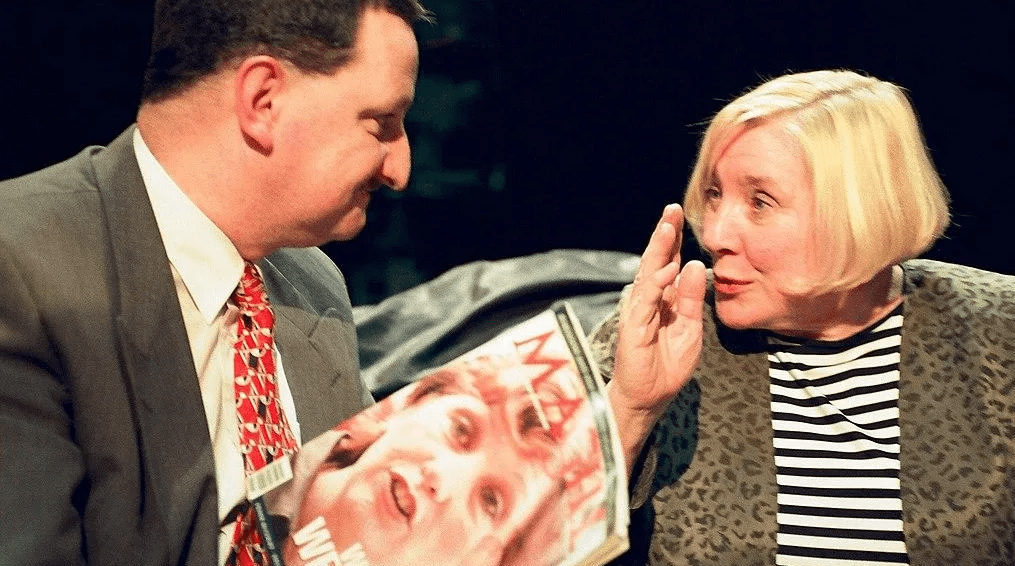
Fay Weldon was not the only British writer to face criticism for her views. J.K. Rowling, for example, was “cancelled” by fans and parts of society due to her opinions on transgender rights. Had Weldon expressed her controversial opinions after 2015, she too might have faced severe backlash from cancel culture.
Her statements often revealed contradictions. On the one hand, she advocated for women’s rights, but on the other, she sometimes dismissed certain experiences.
Love and Death
Despite her assertion that women can succeed without men, her first marriage was driven by necessity. She had a brief romance with a musician that resulted in the birth of her first son. They were never married—he did not propose, and she did not push him into marriage. She wanted a child but not a husband.
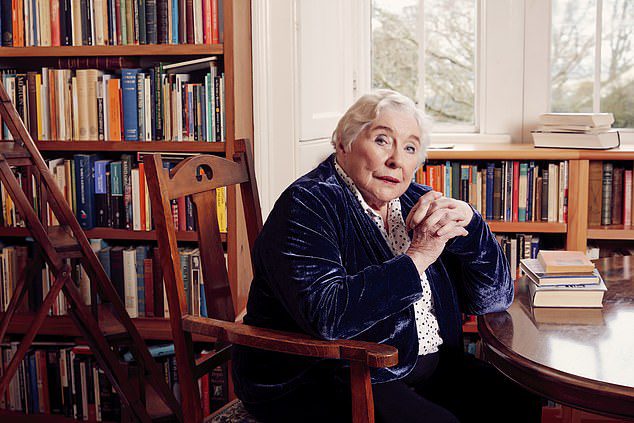
Her first marriage to Ronald Bateman was short-lived. He was 25 years her senior, and she grew tired of “carrying the burden alone.” Their marriage lasted only two years.
In 1961, she married jazz musician Ron Weldon. They had two sons together. Their marriage ended for an unusual reason—astrological incompatibility. Ron strongly believed in astrology, and this belief ultimately led to their separation. However, before they could finalise the divorce, Ron passed away in 1994. That same year, she married her manager. Their marriage lasted the longest—26 years—before they eventually divorced.
Fay Weldon, the renowned British writer, passed away on 4 January 2023 in a care home in Northampton. She left behind a large family, including three children, twelve grandchildren, and five great-grandchildren.