

Women in Birmingham faced significant hardships. Although there were many job opportunities for women—cooks, seamstresses, and maids in private homes—not all girls could find a place for themselves. Many ended up in brothels, a particularly vulnerable section of Birmingham’s female population. To protect them, the Birmingham Women’s Association for the Care of Friendless Girls was founded. Read more on birminghamka.
Surrounded by Men
At the time, the main “opponents” of women were men. Every institution they had to deal with—hospitals, churches, and the police—was dominated by men who neither understood nor recognised the struggles of women.
The Birmingham Women’s Association was founded in 1883 by the Anglican Church of Ellis Hopkins. Initially, its goal was not to protect women from men but rather to protect them from their own lifestyles. The association’s stated aims were clear: to prevent moral decline and prostitution, and to promote chastity and purity. To achieve this, they established so-called preventative homes, which had little to do with women’s rights.
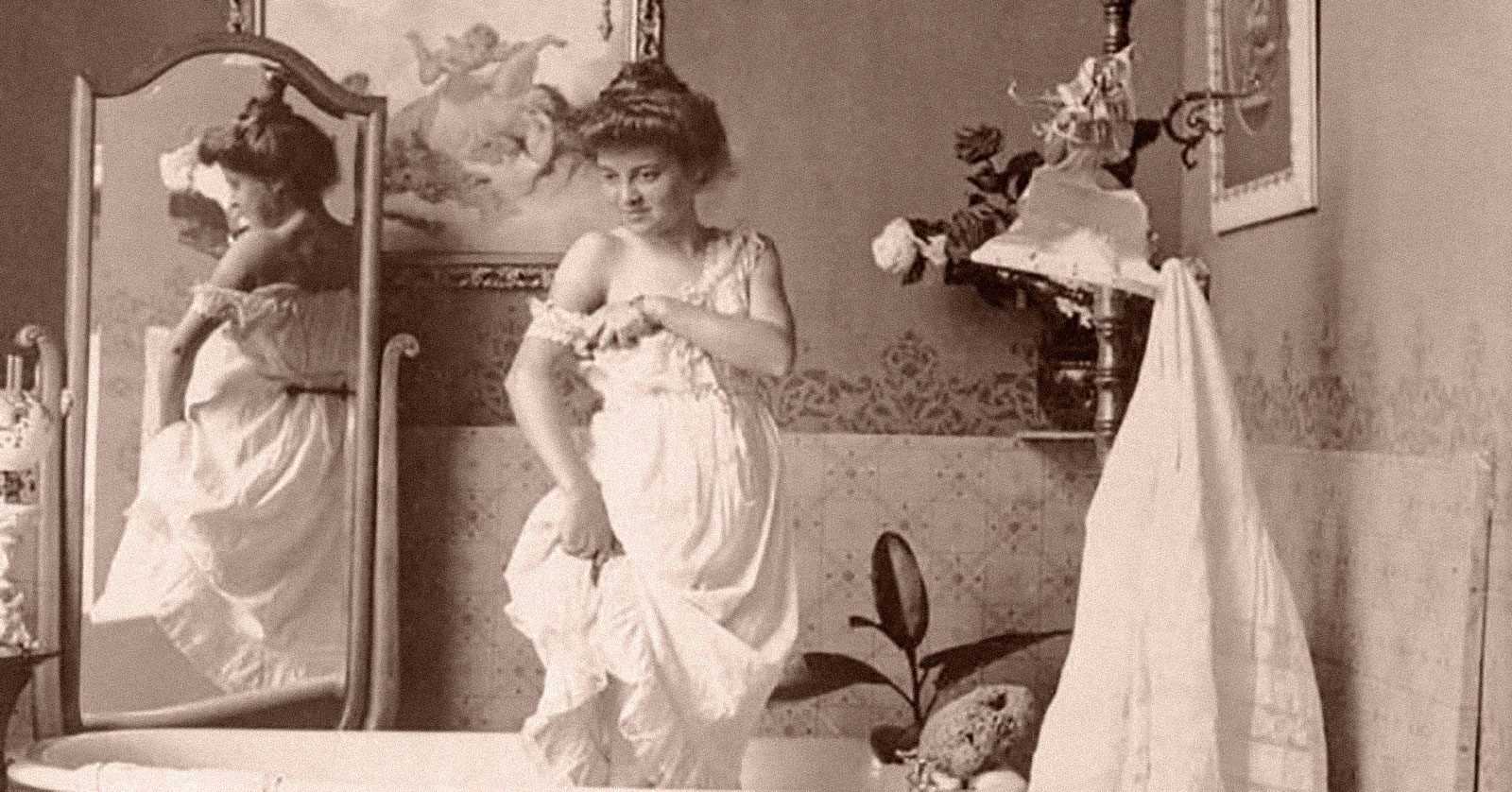
For centuries, the church sought to suppress female sexuality, imposing the moral and ethical standards of the middle class on all women. From a moral standpoint, prostitution was condemned. However, from a medical perspective, it was indeed dangerous. In Victorian England, prostitution was the primary means of spreading venereal diseases, which easily made their way from brothels into respectable and affluent households.
Yet the blame was placed solely on women, not the men who visited brothels. Birmingham had an entire red-light district in Balsall Heath, which residents battled for years. However, the fight against prostitution was not driven by concern for women but rather by the moral interests of Christian families. Society showed little interest in the plight of these women, the reasons behind their choices, or their protection.
Instead, prostitutes were labelled as fallen and irredeemable. Even a woman’s awareness of her own sexuality was enough to warrant condemnation, whether she engaged in prostitution or not. Girls who had suffered sexual abuse as children were placed in the same category and sent to women’s prisons or Magdalene homes, where they were subjected to moral reformation.
The church wielded enormous influence over society, dictating public opinion and enforcing rigid moral codes. The Birmingham Women’s Association was the only organisation attempting to prevent women from falling into prostitution. It focused on supporting at-risk girls—those whose social standing, financial situation, or personal circumstances made them more likely to end up in brothels. The association had many branches, but all operated under the same moral framework. In Birmingham, it became known as Mrs. Rogers’ Memorial Home for Friendless Girls, named after one of the women who volunteered to care for destitute girls.
“Social Evil”
Although the Birmingham Women’s Association took a more compassionate approach to prostitutes than the broader society, it still viewed prostitution as a social evil. The only solution was moral education and religious guidance.
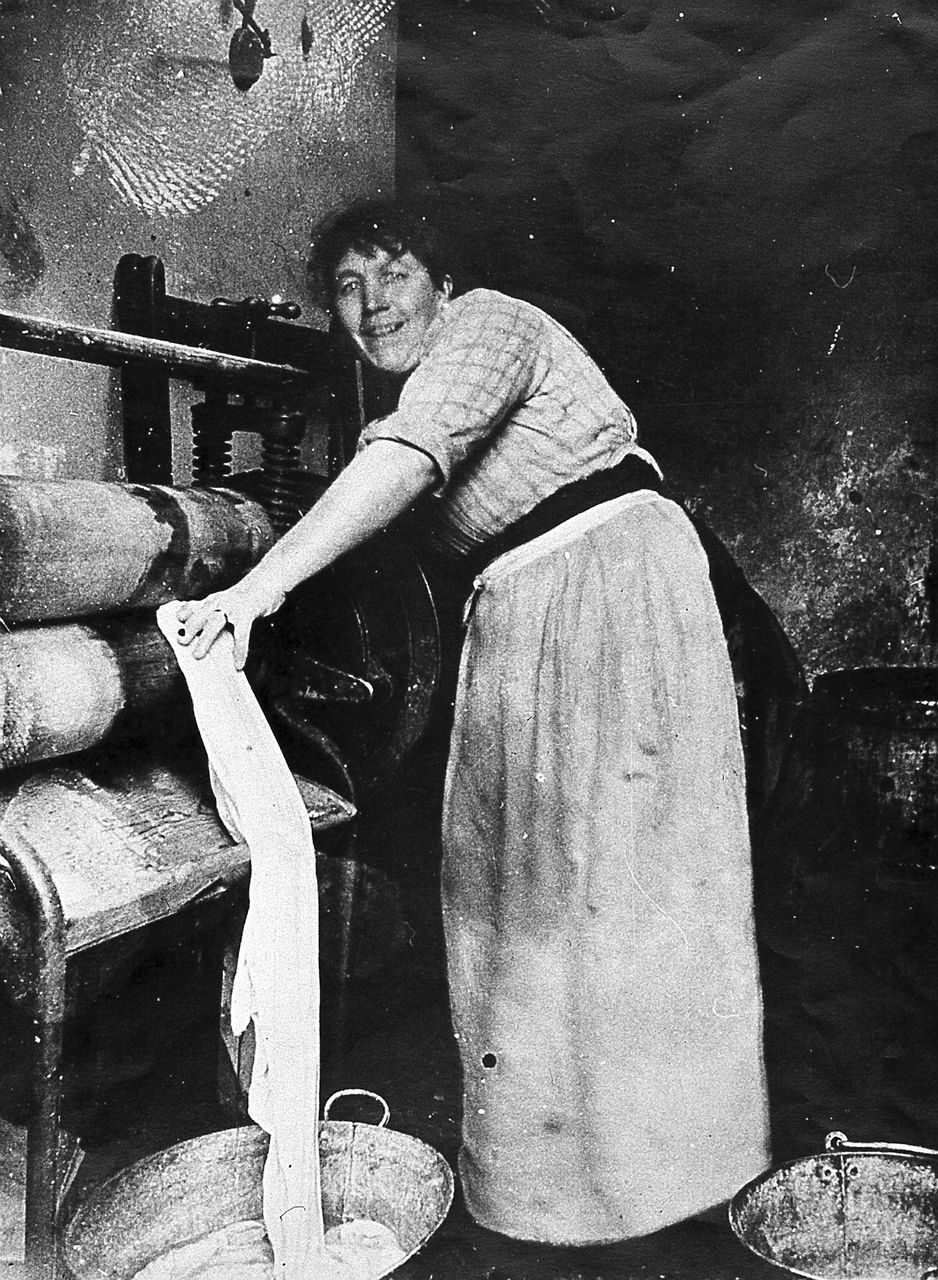
Girls were not simply taught in classrooms—they were sent to live with volunteer women for further moral reform. This served as an alternative to women’s prisons, in the hope that exposure to respectable middle-class life would inspire them to change. However, only first-time offenders were accepted into the programme. Those who had engaged in prostitution repeatedly were deemed beyond salvation and were not offered assistance, for fear that they would corrupt others.
Rules for these girls were set by middle-class women, who determined what was right without considering the realities of working-class life. The idea was that young women would aspire to the middle-class ideal. However, Victorian middle-class ideology was steeped in religious dogma, which always sought to control women.
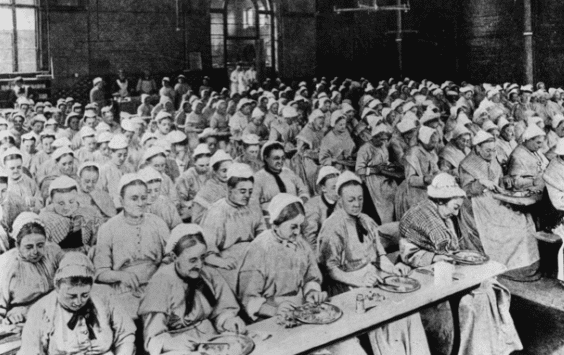
In Birmingham, an organisation called the Defenders of the Poor Law was formed, composed of middle-class women who aimed to foster friendships between women of different social classes. Despite their good intentions, prostitution was still referred to as a sin.
Pregnancy Outside of Marriage
In the 19th century, contraception was practically non-existent. Medicine had some understanding of pregnancy prevention and termination, but such knowledge was only accessible to private doctors.
Despite the prevalence of prostitution, most prostitutes were impoverished. Unmarried mothers were seen as a direct threat to social order—marriage, family, and home were considered the foundations of society. The very existence of prostitution challenged these ideals because it made the idea of single motherhood conceivable.

Society could not accept the notion of a woman living without a husband. Some women even despised prostitutes, seeing them as threats to their marriages and reminders of female sexuality—something that, at the time, was meant to be invisible. Women were expected to exist solely as mothers and wives. Female sexual autonomy was strictly forbidden.
The only way to eliminate prostitution, it was believed, was to foster friendship between women of different social classes. Since most prostitutes came from the working class, their actions tainted the reputation of all working-class women. However, this stigma applied only to women—men who worked in brothels, suffered sexual abuse, or were impoverished were not considered sinful. Society placed the blame for prostitution solely on women, assuming that if they did not engage in it, men would not seek their services.
The Contagious Diseases Act
In 1864, Birmingham implemented the Contagious Diseases Act, which further deepened gender inequality. Josephine Butler, a Birmingham activist, opposed the detention and punishment of women for venereal diseases. While she acknowledged the need for treatment, she argued that men should also be held accountable, as they played an equal role in spreading these diseases.
Butler’s fight was difficult, as it was impossible to separate prostitution from female sexuality in the public eye. She and other activists worked to hold men accountable for their patronage of brothels.
The Birmingham Women’s Association sought to change society through moral education and rehabilitation rather than punishment. Over time, their efforts had a greater impact on society’s perception of prostitution than on the women themselves.
The expansion of education for the working class played a significant role in reducing prostitution. In Victorian England, it was believed that ignorance led women to the wrong path. Although prostitution was never fully eradicated, societal attitudes did shift. Over time, it was no longer viewed as a sin, though it was still not accepted as a legitimate profession.
Legal Regulation of Prostitution
In 2009, the Policing and Crime Act came into effect, regulating the legality of prostitution. Under this law, paying for sex in a public place became illegal, but prostitution itself was not criminalised. This led to the formation of an English sex workers’ collective, which continued to fight for the rights, protection, and freedoms of sex workers.
The Birmingham Women’s Association had noble intentions, but its methods were not always just. Nonetheless, it laid the groundwork for the emergence of feminism and the suffragette movement.