

In the past, Birmingham was a harsh city where people had to work hard just to survive. Women were no exception, and their struggles over the years were particularly severe. This is why the fight for women’s rights in Birmingham was one of the most intense in Britain. Read more on birminghamka.
Women’s Organisations
For years, the women of Birmingham built their own line of defence. It was one of the few cities in the UK where numerous women’s organisations formed, all dedicated to protecting women’s rights and freedoms.
The two main organisations were the National Union of Women’s Suffrage Societies (NUWSS) and the Women’s Social and Political Union (WSPU).
The Women’s Suffrage Society was formed in 1868, originally known as the National Society. During the peak of the feminist movement, women were left to fend for themselves, receiving no government support. They did what they could—distributing pamphlets and brochures, hosting social events to raise funds, and inviting women’s rights experts to speak at public lectures. Many of Britain’s most renowned suffragettes spoke at the Women’s Suffrage Society’s events, the most famous being Frances Balfour, whose name was known across the country.
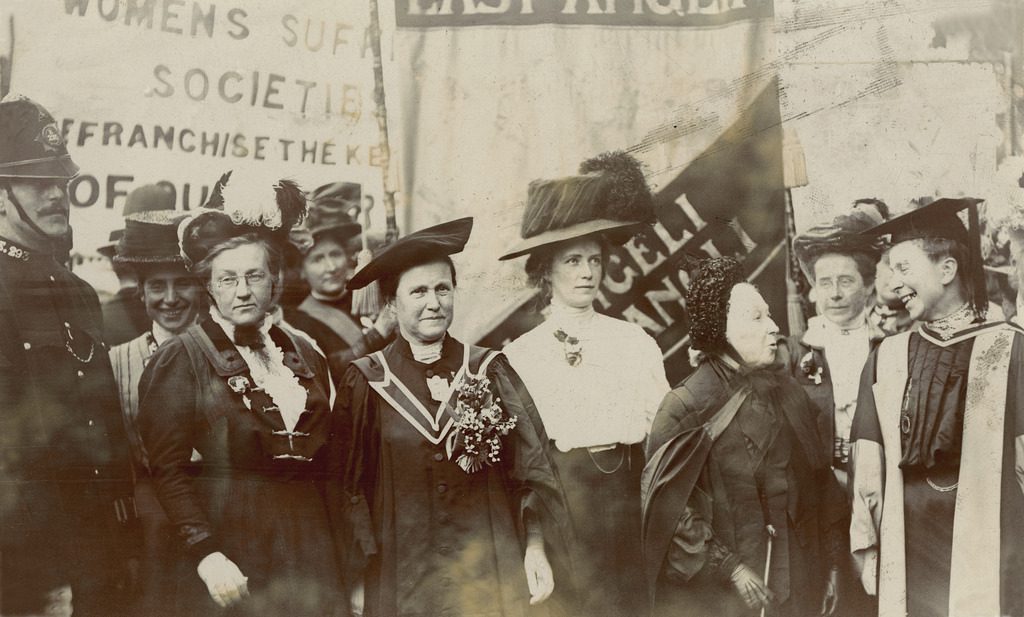
Most women who joined the fight for their rights did not come to it by chance. Many grew up in activist families. Eliza Sturge, one of Birmingham’s most prominent feminists, was the niece of a leading British anti-slavery campaigner.
Despite resistance from society and the lack of government support, women’s organisations continued to grow. In 1907, a branch of the Women’s Social and Political Union (WSPU) was established in Edgbaston, Birmingham.
Not all actions by women’s groups were peaceful. As they gained strength and solidarity, they turned to more radical methods, such as acts of vandalism and arson targeting both public and private property. Women were determined to make their voices heard and prove that they were ready to fight until the end.
Suffragettes at the Helm
One of the most famous names in the suffragette movement was Emmeline Pankhurst. She and her family were committed to the radical struggle for women’s voting rights. In 1903, when legal progress stalled, they decided to adopt more extreme tactics. They founded the Women’s Social and Political Union (WSPU), adopting the motto “Deeds, not words.” The organisation lasted until 1918, with Emmeline Pankhurst leading throughout. Their activism was bold and became a major challenge for the government.
Pankhurst and her colleagues were imprisoned for their political and feminist activities. However, their cause gained national attention, particularly because the women went on hunger strikes while in custody. This protest demonstrated that even behind bars, they would not be silenced. The resistance of Birmingham’s suffragettes became famous across the country.
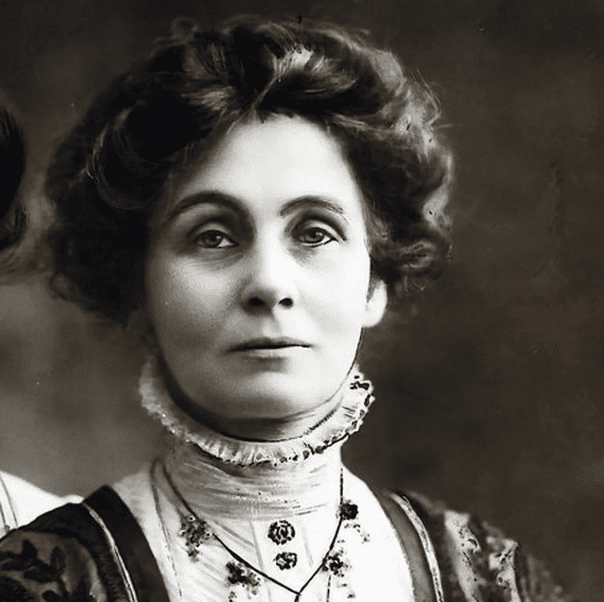
Pankhurst’s indomitable spirit was passed on to her three daughters, who also joined the suffragette movement. At the time, society only saw women as either housewives or prostitutes. To fight for their right to vote, suffragettes had to adopt radical methods, effectively learning to communicate in the language of men—the language of force and resistance. The path of Birmingham’s suffragettes was a bloody one.
All Means Are Fair in War
The women had a clear plan of action. They knew that simply marching and causing unrest would not be enough. Their methods, however harsh, were carefully thought out and executed with the goal of securing progress.
In 1908, the WSPU was responsible for civil unrest in Birmingham. They used public outrage to put pressure on Parliament, forcing politicians to acknowledge their demands. During a period of growing tension between the public and the House of Commons, the suffragettes seized the moment and gathered 60,000 dissatisfied citizens.
However, peaceful protests and public discontent did not yield the desired results. The suffragettes began to break the law—and it worked. Their actions attracted attention to the women’s movement like never before.
Millicent Fawcett
Despite the effectiveness of aggressive tactics, not all women in the movement supported such an approach. Some believed in the rule of law. The National Union of Women’s Suffrage Societies (NUWSS), led by Millicent Fawcett, focused on legal efforts, lobbying for women’s rights in Parliament and working to enshrine them in the constitution. However, their efforts were often overshadowed by the radical actions of the suffragettes.
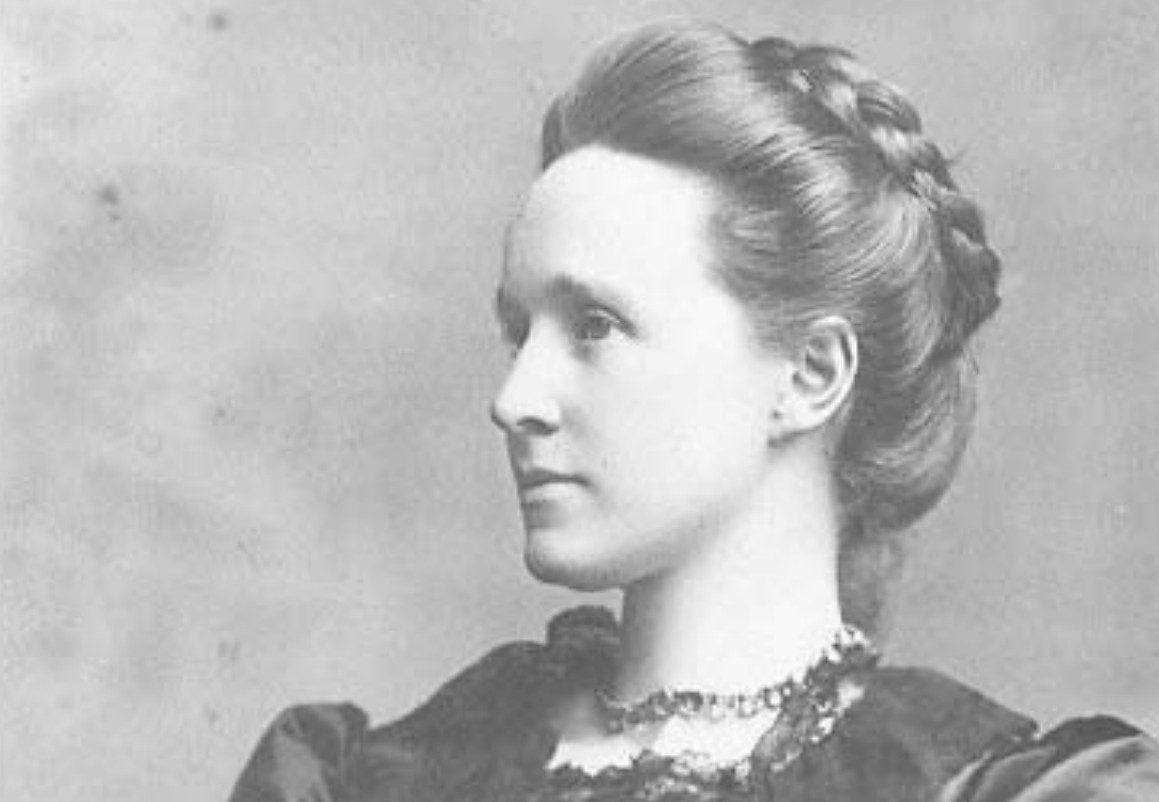
Millicent Fawcett did not just fight for women’s right to vote—she also played a key role in opening the first women’s college at Cambridge University. Feminism and education were closely linked, as literacy was essential to spreading awareness. An educated women’s society could change the world, and that terrified men.
The fight for women’s rights was not limited to women alone. Henry Fawcett, Millicent’s husband, was a staunch advocate for women’s rights. A professor at Cambridge and a Liberal MP, he instilled in his wife an understanding of the importance and power of political pressure. Their story is inspiring not only for their activism but also for the love and partnership that sustained them through their tireless struggle.