

Dame Mary Barbara Cartland is considered the most prolific writer not only of the 20th century. Throughout her career, she wrote 723 stories. What was so fascinating about the life of this remarkable woman, who became famous not only for her writing? Read more on the birminghamka.
The Difficult Fate of the Cartland Family
Barbara was born in 1901. At the time, it was customary to give birth at home. Therefore, history has recorded the exact address where Barbara was born – 31 Augustus Road, Edgbaston, Birmingham. She was born into a wealthy family of a military officer. Barbara was the eldest child, with two younger brothers. Unfortunately, both followed in their father’s footsteps, became military officers, and perished in Flanders.
Her paternal grandfather was a prominent English entrepreneur. He owned the brass foundry James Cartland & Son Ltd. Shortly after Barbara’s birth, the family’s financial situation deteriorated. As an adult, Barbara attributed this to her grandfather’s suicide due to bankruptcy. However, when journalists investigated, they discovered that after his death, James Cartland left his son an estate worth £92,000. Where this money went remains unknown. It is also unclear who invented the story of bankruptcy. Either Barbara created it as an adult, or her parents fabricated it to conceal the true reasons for their poverty.
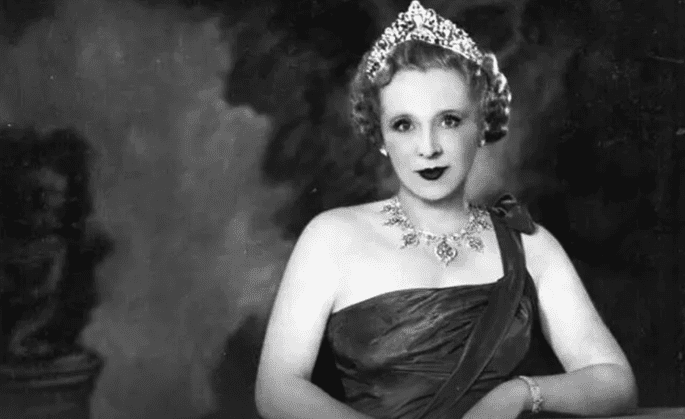
During the First World War, her father was killed. Her mother then took the children and moved from their native Birmingham to London, where she opened a haberdashery shop. She had to work hard, but she managed to provide her children with a decent education. Barbara attended several private girls’ schools and an educational institution in Hampshire.
Barbara was barely in her twenties when she began publishing romantic fantasy novels. Besides this, she worked as a society reporter. Her early work was heavily influenced by Elinor Glyn, whom Barbara adored. Their paths eventually crossed, and they became friends.
Love Not Only on the Pages
Barbara Cartland’s personal life could be the subject of a film. She was not only incredibly beautiful but also a woman of high moral standing for her time. Her life included a story that, in the 21st century, is hard to take seriously.
Barbara’s first serious relationship was with a Guards officer, who even proposed to her. In early 20th-century English society, anything related to female sexuality was a strict taboo. Allegedly, when Barbara learned the intricacies of married life—specifically, its sexual aspects—she broke off the engagement. Historians and biographers generally agree that this could have happened, as Barbara was raised in strict moral discipline. However, in later years, she often explored themes of sexuality in her works.
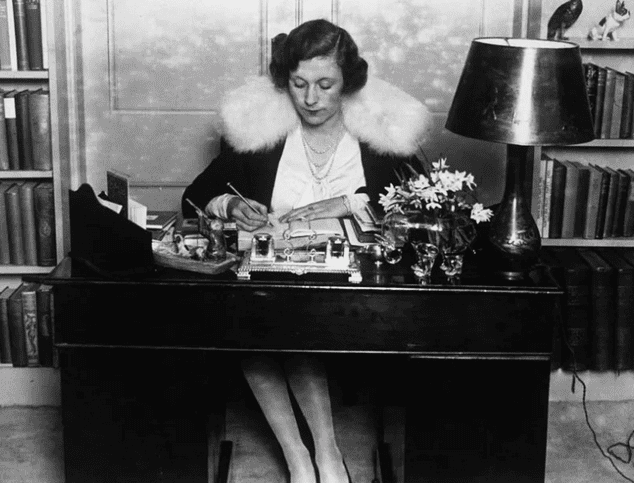
Barbara never hid her personal life from the press. She proudly claimed that nearly fifty men had proposed to her. However, she accepted only the proposal of Captain Alexander McCorquodale. They married in 1927. He was not just an officer but also the heir to a profitable printing business—a suitable match for a woman from the once-wealthy Cartland family.
Unfortunately, the marriage lasted only six years. During their marriage, Barbara gave birth to a daughter, Raine McCorquodale. After marrying, Raine became Raine Spencer, the stepmother of Diana Spencer. Following her divorce, Cartland shocked the public by claiming that her daughter was illegitimate, born not to her husband but to the fifth Duke of Sutherland. She later fueled even more gossip by suggesting that Raine’s father could have been Prince George, Duke of Kent.
Barbara’s first divorce was scandalous, filled with accusations of infidelity. But that did not deter her. Three years after the divorce, she married again—this time to her first husband’s cousin, Hugh McCorquodale. As she aged, she became less concerned with society’s moral expectations.
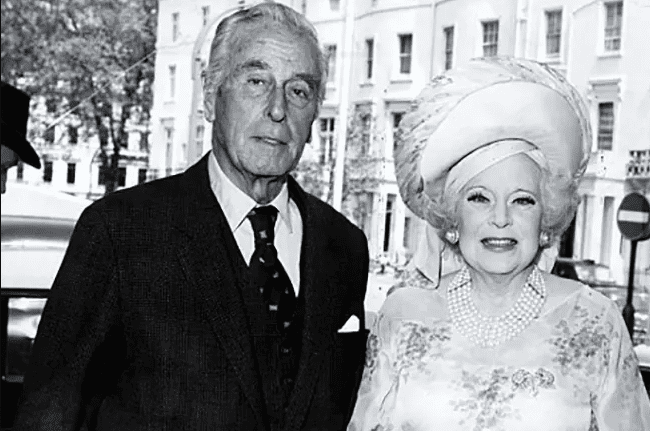
In her second marriage, the couple had two sons. The eldest, Ian, became a publisher at Debrett’s and passed away in February 2023. The younger son became a stockbroker.
Social Circles and a Difficult Character
Despite her evident romantic interests, Barbara maintained a long-lasting friendship with Lord Mountbatten of Burma. He supported her in many ventures, including her charitable work. When she was writing her novel Love at the Helm, he helped her with the technical details, guiding her through naval matters. Lord Mountbatten was assassinated in 1979, and the book they worked on together was published in 1980. All proceeds from its sales went to the Mountbatten Memorial Fund, established by his great-nephew, Prince Charles, the Prince of Wales.
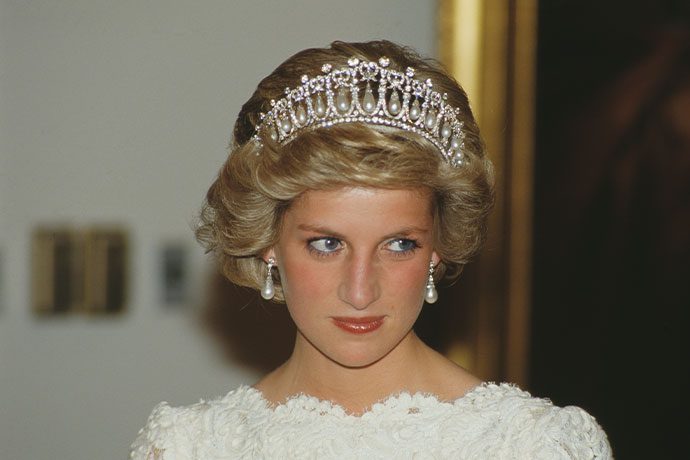
Throughout her life, Cartland performed many charitable acts, yet her character was far from perfect. When she learned that her books were favourites of Diana Spencer, she began sending her every new novel personally. Diana read them avidly in her youth, but she did not invite Barbara Cartland to her royal wedding with Prince Charles. Although the press maintained that there was no overt conflict between them, Barbara often spoke unkindly about Lady Di. Until her death, Cartland took pride in being the only author Diana ever read, repeatedly emphasizing the word only. She would add that, unfortunately, her novels had not helped Diana build a happy marriage.
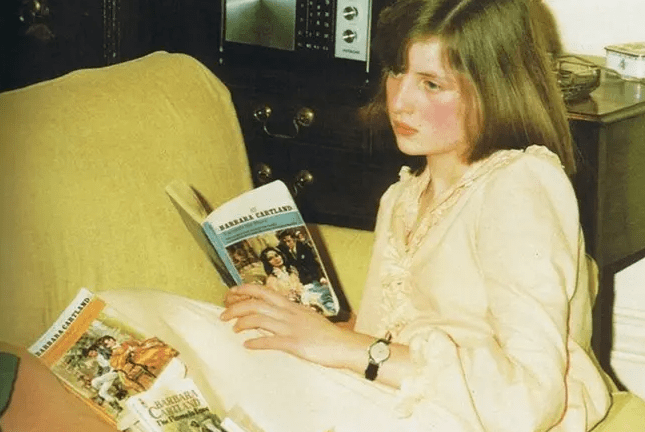
In her later years, Barbara frequently appeared on television. She spoke against removing prayers from school curricula and condemned infidelity and divorce—despite not being a model of marital fidelity herself. She had a highly contradictory personality.
Success from the First Lines
Barbara’s first job was as a society columnist for Daily Express. In 1923, her first novel, Jigsaw, was published. It was a thriller about English high society and became an instant bestseller. This early success allowed Cartland to continue writing without catering to readers’ expectations. She published several provocative plays and became known in London as a wealthy and attractive socialite. Barbara enjoyed living extravagantly and often hosted parties that scandalized polite London society.
She was also passionate about fashion. Her favourite designer was Norman Hartnell, who made all her dresses, including her wedding gowns.
By 1950, Cartland had published an enormous number of books and had a vast readership. Around this time, the press revelled in a literary scandal between Cartland and Georgette Heyer. Heyer accused Barbara of plagiarism, claiming she had stolen characters, names, plot twists, and ideas from her early novel These Old Shades. Heyer meticulously compared her work with Cartland’s novels and attached her analysis to a legal claim. However, the case never went to trial. It remains unclear why, but most likely, Barbara paid her off to avoid damaging her reputation.
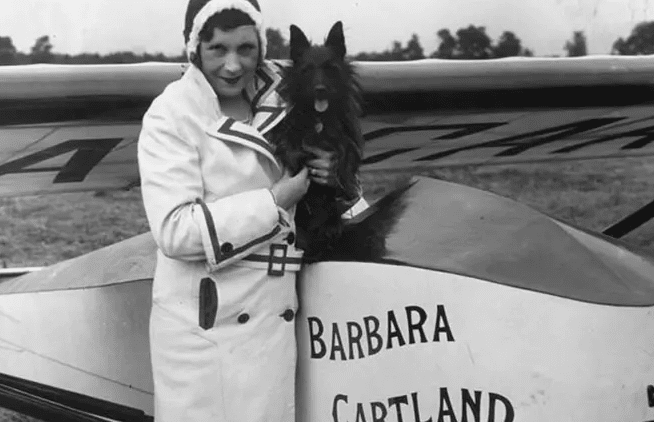
Barbara wrote more than just romance novels. In the 1950s, she published a guide to married life—a radical and candid book that was banned in Ireland. Over three decades, she transformed from a woman who blushed at the mere mention of sex to an expert on romantic relationships in all their aspects.
The Queen of Romance
In the 1980s, The Guinness Book of Records named her the world’s best-selling author. It was her second appearance in the record book. In 1976, she had published 23 novels in a single year, earning the title of the most prolific writer of that year.
Her books no longer dazzled with originality or controversy, as literature had changed dramatically over those fifty years. Nevertheless, they still sold remarkably well. By the 1990s, over a billion copies of her books had been sold. It was then that she received the title Queen of Romance. Barbara Cartland passed away in 2000, having written 723 books. After her death, an additional 160 unpublished works were discovered. Her eldest son took charge of their publication. Her last novel was released as an audiobook in 2018.
Legacy and Other Misfortunes
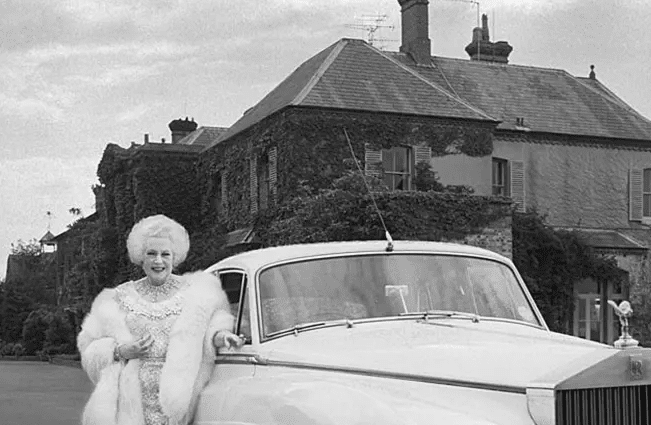
Barbara was undoubtedly wealthy, but she did not manage her finances well. After her death, she left behind over a million pounds sterling—but also a mountain of debts. After settling them and paying taxes, nothing remained. She died at her home in Hertfordshire, surrounded by her children. Throughout her life, she received numerous honours, including the Vermilye Medal, the title of Dame Commander of the Order of the British Empire, a wax figure in Madame Tussauds, and several film portrayals—both biographical and fictional.